
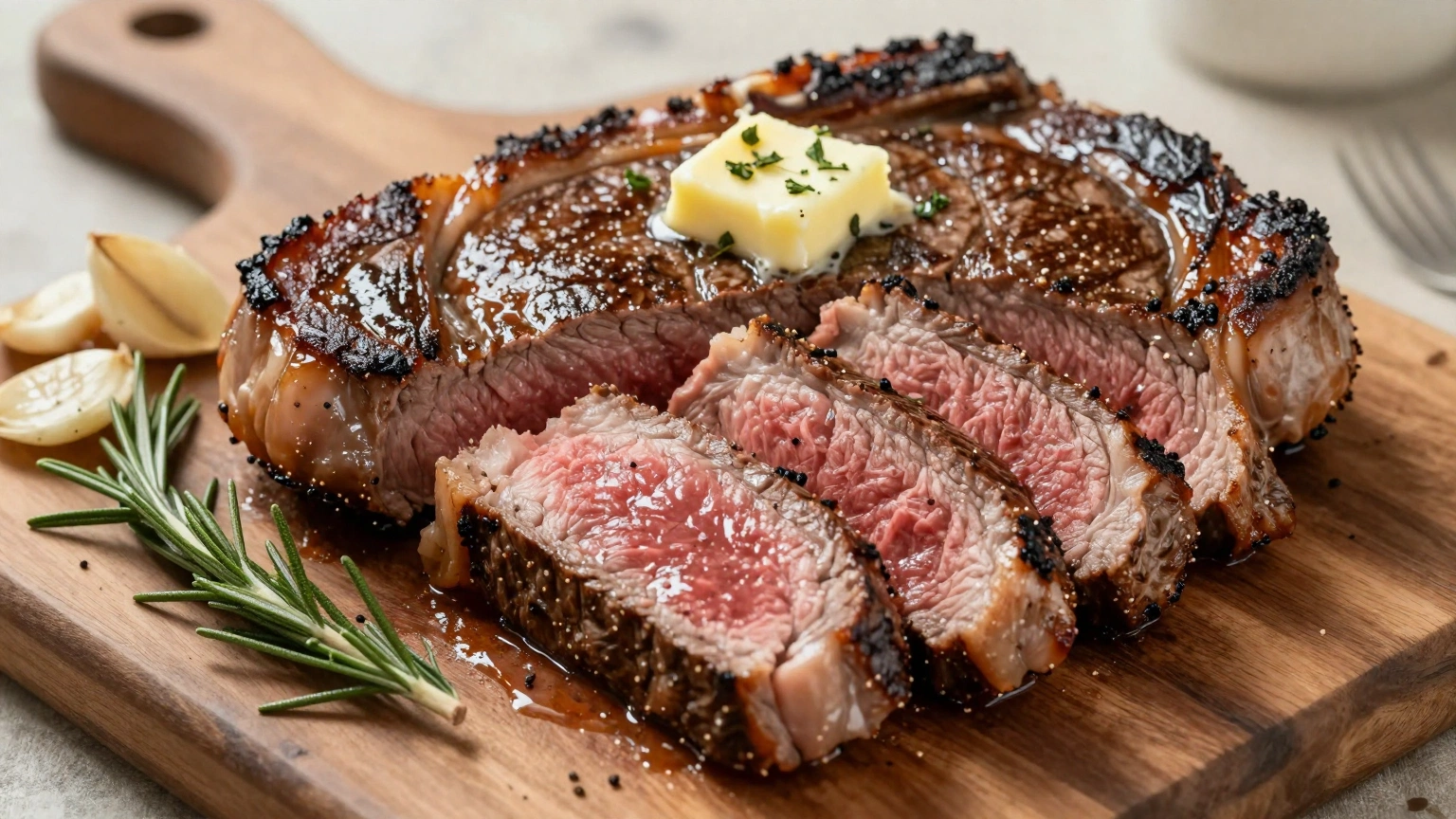
How to Cook the Perfect Ribeye Steak Recipe
Imagine the joy of sharing a meal you’ve made with love. The sound of sizzling steak fills your kitchen. The aroma wraps you in warmth. You’re excited to make the best ribeye recipe.
Mastering the art of cooking a homemade ribeye steak turns a simple dinner into a feast. This guide will show you how to pick the right steak, prepare it well, and use top cooking techniques. You’ll get a steak that’s juicy and full of flavor, proving your hard work.
Table of Contents

Key Takeaways
- Choosing a high-quality ribeye steak is essential for the best results.
- Proper preparation enhances the flavor and texture of your steak.
- Cooking techniques play a crucial role in achieving the perfect doneness.
- Homemade ribeye steak can rival your favorite steakhouse dish.
- Mastering the ribeye steak recipe boosts your confidence in the kitchen.
Why Ribeye Steak is the Best Option for Steak Lovers
Ribeye steak is a top choice for many meat lovers. It’s known for its amazing flavor and soft texture. This makes it a memorable dining experience.
Flavor Profile of Ribeye
The taste of ribeye steak is truly special. It has a rich, beefy flavor that’s very satisfying. The fat marbling adds savory notes, making it even more delicious.
This mix of tenderness and taste makes ribeye very popular.
Marbling and Juiciness of Ribeye
Marbling is key to ribeye’s appeal. As it cooks, the fat melts, making it juicy. This results in a juicy ribeye steak that’s full of flavor.
People who love ribeye enjoy its perfect balance of tenderness and taste.
Choosing the Right Ribeye Steak
Choosing the right ribeye steak is key to a great dish. Several factors affect the steak’s taste, texture, and quality. Knowing these helps pick the perfect steak for your meal.
Factors to Consider When Selecting a Cut
When searching for the perfect ribeye steak, keep these points in mind:
- Marbling: Look for steaks with lots of marbling. This fat makes the meat taste better and feel softer.
- Thickness: Thicker steaks stay juicier. Aim for at least 1.5 inches thick for the best results.
- Color: Good ribeyes are bright cherry-red. Steaks that look brown or dull are not fresh.
- Grading: Check the USDA grade. Prime is the highest, followed by Choice and Select. Prime is the best for a perfect steak.
Bone-In vs. Boneless Ribeye
The choice between bone-in and boneless ribeye steaks affects flavor and cooking. Here’s a comparison:
| Type | Flavor | Cooking Time | Tenderness |
|---|---|---|---|
| Bone-In Ribeye | Rich, enhanced flavor due to the bone | Generally takes longer to cook | Often considered slightly more tender |
| Boneless Ribeye | Less intense flavor, but still delicious | Cooked faster due to smaller size | Equally tender, good for quick meals |
Preparing Your Ribeye Steak for Cooking
Before you start making an easy ribeye steak recipe, getting your steak ready is key. A few important steps can make a big difference. Making sure your ribeye steak is ready before cooking is crucial for a tasty meal.
Bringing the Steak to Room Temperature
Start by taking your ribeye steak out of the fridge at least 30 minutes before cooking. Letting it warm up ensures it cooks evenly. Cold steak can cook unevenly, losing its juiciness and tenderness. This step is essential for cooking a great ribeye steak.
Drying and Seasoning the Steak
Then, dry the steak with paper towels. This helps get a perfect sear, which boosts flavor. After that, sprinkle salt and pepper or your favorite spices over it. Simple seasonings let the steak’s rich taste come through while adding a tasty crust. Good seasoning makes your easy ribeye steak recipe unforgettable.
Cooking Techniques for Ribeye Steak
Choosing the right cooking method can make your ribeye steak truly special. Each technique brings out different flavors and textures. You can try pan-searing, grilling, or the reverse sear method. These methods can help you create a delicious grilled or homemade ribeye steak.
Pan-Seared Ribeye Steak Recipe
Pan-searing brings out the rich flavors of a ribeye steak. Here’s how to do it:
- Start with a high-quality ribeye steak, seasoning it generously with salt and pepper.
- Heat a heavy skillet over medium-high heat until it’s hot.
- Add a tablespoon of oil with a high smoke point, such as canola or avocado oil.
- Place the steak in the skillet and sear for about 4-5 minutes on one side.
- Flip the steak and cook for another 3-4 minutes for medium-rare. Use a meat thermometer for accuracy.
Grilled Ribeye Steak Recipe
Grilling adds a smoky flavor and beautiful grill marks to a ribeye steak. Follow these steps for a perfect grilled ribeye steak:
- Preheat the grill to high heat, around 450°F to 500°F.
- Season your ribeye steak and let it rest at room temperature for about 30 minutes.
- Place the steak on the grill and cook for approximately 4-5 minutes on each side.
- For cross-hatch grill marks, rotate the steak 90 degrees halfway through grilling each side.
Reverse Sear Method for Ribeye Steak
The reverse sear method makes the steak tender and evenly cooked. Here’s how to apply it:
- Preheat the oven to 275°F.
- Season the ribeye steak and place it on a baking sheet.
- Bake in the oven until the steak reaches an internal temperature of 125°F for medium-rare (about 30-40 minutes).
- Once the desired temperature is reached, finish it with a quick sear in a hot skillet for about 1-2 minutes on each side.
How to Cook the Perfect Ribeye Steak Recipe
Cooking a perfect ribeye steak needs focus and a good recipe. The key to a juicy steak is proper searing. This method adds flavor by caramelizing the outside while keeping the inside tender. Follow this guide for a great result.
Step-by-Step Cooking Guide
- Begin by letting your ribeye steak come to room temperature for about 30 minutes. This helps it cook evenly.
- Heat your skillet or grill to high. A cast iron skillet is best for a great sear.
- Season the steak well with salt and pepper. You can also add garlic powder or your favorite rub for more taste.
- When the skillet is hot, put the steak in the center. Don’t move it for 4-5 minutes to get a crust.
- Flip the steak and cook for another 3-5 minutes for medium-rare. Use a meat thermometer; 130°F is perfect.
- Take the steak off the heat just before it’s done. It will keep cooking a bit.
- Let the steak rest for 5-10 minutes. This makes it juicier.
- Slice against the grain and serve with your favorite sides.
Importance of Proper Searing
Proper searing is key for flavor and a tasty crust on the steak. Skipping this step can make your steak less tasty. High heat at the start keeps the steak juicy. Here are some searing tips:
- Make sure your pan is hot before adding the steak.
- Let the steak sit still during searing.
- Use oils like canola or grapeseed for flavor without burning.
Using the Right Equipment for Cooking Ribeye
Cooking ribeye steak to perfection needs skill and the right tools. Choosing quality equipment can greatly affect your steak’s taste and texture. A good skillet and a reliable meat thermometer are key to getting the steak just right.
Choosing the Best Skillet
A cast iron skillet or a heavy-bottomed pan is best for cooking ribeye steak. These skillets distribute heat evenly, which is crucial for a perfect sear. A good sear not only adds flavor but also keeps the juices in.
When looking for the best skillet, consider these features:
- Material: Cast iron is great because it holds heat well for high-temperature cooking.
- Size: Make sure the skillet is big enough for your steak without overcrowding.
- Weight: Heavier skillets keep heat evenly, which is important for maintaining temperature.
Using a Meat Thermometer for Perfect Doneness
A meat thermometer is essential for cooking ribeye steak. It removes the guesswork and ensures your steak is cooked to the perfect temperature. Here’s a quick guide to the temperatures for different levels of doneness:
| Doneness Level | Internal Temperature (°F) |
|---|---|
| Rare | 120-125 |
| Medium Rare | 130-135 |
| Medium | 140-145 |
| Medium Well | 150-155 |
| Well Done | 160+ |
Using the thermometer at the thickest part of the steak ensures consistent results. A quality skillet and accurate temperature readings make for an amazing ribeye steak experience.

Flavor Enhancements for Your Ribeye Steak
Improving the taste of your ribeye steak makes a meal special. Simple seasonings can make a big difference. Adding butter with herbs and spices brings out new flavors in every bite.
Simple Seasonings that Work Wonders
When seasoning, it’s best to keep it simple. A mix of coarse sea salt and black pepper is a great start. You can also add garlic powder or smoked paprika for more flavor. These flavor enhancements make your steak stand out and taste amazing.
Butter Basting with Herbs and Aromatics
Butter basting elevates your steak’s flavor. As it cooks, add unsalted butter to the pan. Mix in herbs like thyme or rosemary with garlic for a strong aroma.
Keep spooning the melted butter over the steak. This lets the flavor enhancements soak into each bite. Try different herbs to find your favorite taste.
Resting and Serving Your Ribeye Perfectly
After making a delicious homemade ribeye steak, it’s important to focus on resting and serving. Resting makes the steak juicy, so every bite is full of flavor. Learning how to slice your steak right also makes it look great for your guests.
Why Resting is Crucial for Juiciness
Resting your ribeye steak helps the juices spread evenly. When steaks cook, juices move to the center, making the outside dry. Waiting 5 to 10 minutes before cutting stops this, keeping your steak juicy and tender. This simple step can make your dish amazing.
Best Ways to Slice Your Ribeye Steak
Slicing your ribeye steak right is key to tenderness. Always cut against the grain to make each bite easier. Use a sharp knife for clean cuts and aim for slices about half an inch thick. Serving your steak beautifully will impress your guests and make the meal better.

Common Mistakes to Avoid When Cooking Ribeye Steak
Cooking ribeye steak to perfection needs careful attention. Avoiding common mistakes is crucial for a tasty and tender steak. Knowing how to avoid doneness and seasoning errors can make your ribeye steak recipe stand out.
Overcooking or Undercooking Issues
Getting the perfect doneness is a big challenge with ribeye steak. Overcooking makes it dry, while undercooking is unappetizing. To avoid these problems, always use a meat thermometer. Aim for an internal temperature of 130°F to 135°F for medium-rare. This keeps the steak juicy.
Neglecting Proper Seasoning and Preparation
Seasoning is key to enhancing your ribeye’s flavor. Many people forget to season before cooking. Make sure to add plenty of salt and pepper to boost the meat’s natural taste. Also, let your steak sit at room temperature for about 30 minutes before cooking. This helps it cook evenly, which is important for a great ribeye steak recipe.
| Cooking Mistake | Consequence | Prevention |
|---|---|---|
| Overcooking | Dry and tough steak | Monitor internal temperature closely |
| Undercooking | Inedible texture | Use a meat thermometer |
| Inadequate seasoning | Lack of flavor | Generously season before cooking |
| Skipping rest time | Juices escape when sliced | Let steak rest before cutting |
Conclusion
Learning to cook ribeye steak at home is a great skill that makes your meals better and impresses your friends. You’ve learned how to pick the right cut, prepare it well, and use the best cooking methods. These steps are key to getting a juicy, flavorful ribeye.
Choosing to sear, grill, or try the reverse sear method each has its own benefits. Adding your own touch, like seasonings or butter with herbs, can make it even better. After trying the best ribeye recipe from this guide, you’ll feel confident cooking like a pro in your kitchen.
Keep trying different cooking methods and flavors to get better. With practice, you’ll become great at cooking ribeye steaks. So, get your skillet or grill ready and enjoy the tasty results of your hard work!
FAQ
What is the best ribeye steak recipe for beginners?
For beginners, the best ribeye recipe is simple. Start with a high-quality steak. Season it with salt and pepper. Then, pan-sear or grill it to your liking for a tasty result.
How do I know when my ribeye steak is cooked to perfection?
Check the internal temperature. For medium-rare, aim for 130°F (54°C). For medium, target 140°F (60°C). Use a meat thermometer. Remember, the steak will cook a bit more while resting.
What is the secret to a juicy ribeye steak?
The secret is marbling. It melts during cooking, adding flavor. Also, resting the steak after cooking keeps it juicy.
Should I choose bone-in or boneless ribeye?
Bone-in steaks have more flavor. Boneless steaks are easier to slice and cook evenly. Choose based on your preference and cooking method.
What are some flavor enhancements I can use for ribeye steak?
Simple seasonings like salt and pepper enhance flavor. Butter basting with herbs can also add richness, creating a flavorful crust.
How long should I rest my ribeye steak after cooking?
Rest your steak for 5 to 10 minutes after cooking. This lets juices redistribute, making it juicier and more tender.
What equipment do I need to cook a ribeye steak effectively?
Use a cast iron skillet or heavy-bottomed pan for even heat. A meat thermometer is also key for accurate internal temperature checks.
How can I ensure my ribeye steak is seasoned properly?
Season evenly with salt and pepper before cooking. Marinating or using dry rubs can also enhance flavor without overpowering the meat.
What cooking method yields the best ribeye steak?
Pan-searing and grilling are top choices. The reverse sear method is also great, offering even cooking and a perfect crust.