
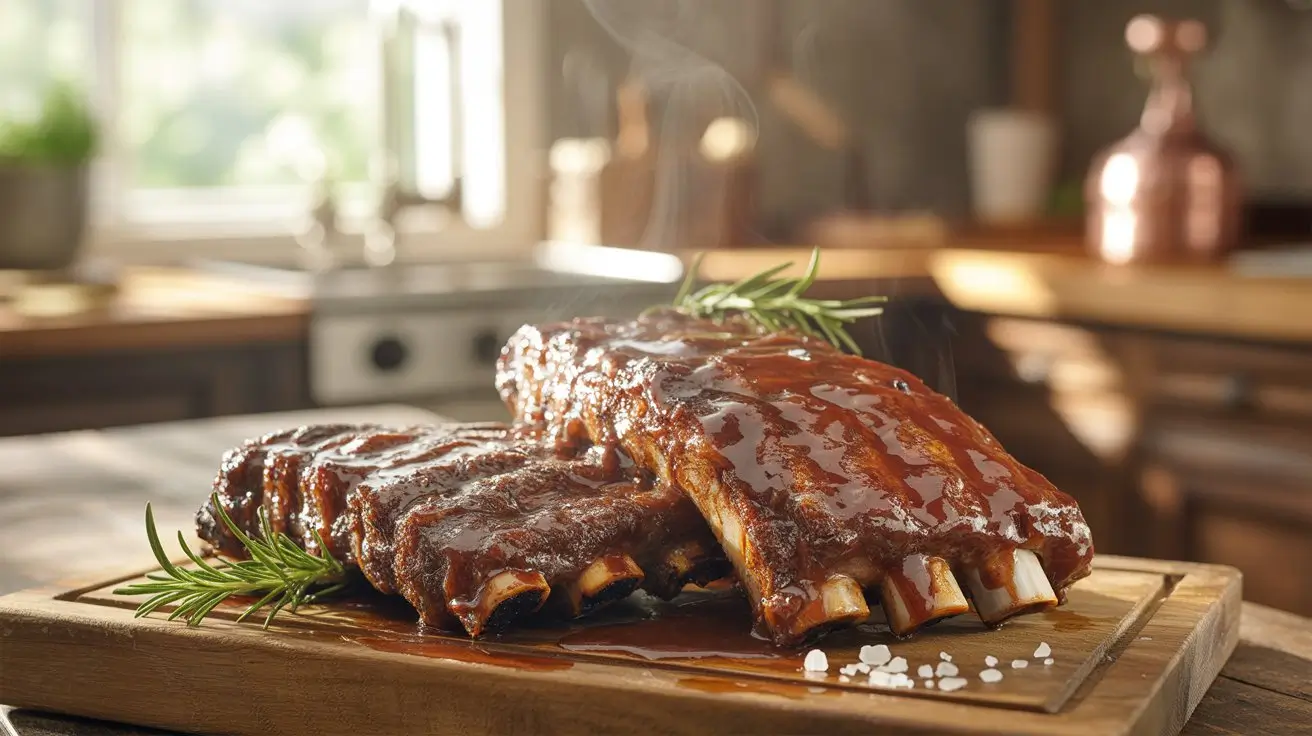
Easy Beef Ribs Recipe – Quick Guide
Table of Contents
Why This Beef Ribs Recipe Beats the Rest
Did you know that over 68% of home cooks admit they’ve never attempted beef ribs because they assume it requires hours of complex preparation? Here’s the surprising truth: a show-stopping beef ribs recipe can be ready in just 90 minutes — no smoker required, no culinary degree needed. Whether you’re craving classic BBQ beef short ribs, oven-baked beef back ribs, or a simple weeknight braised rib dinner, this guide has you covered.
Beef ribs are among the most flavour-rich cuts available, boasting deep, beefy marbling that self-bastes during cooking. This recipe has been optimised for maximum tenderness with minimal fuss, using pantry-staple spice rubs, a quick marinade, and a two-stage cook method that delivers restaurant-quality results every single time. Get ready to impress — the only hard part will be not eating them straight off the pan.
Ingredients for the Perfect Beef Ribs Recipe
Gather these simple, flavour-packed ingredients before you begin. Substitution notes are included for dietary flexibility.
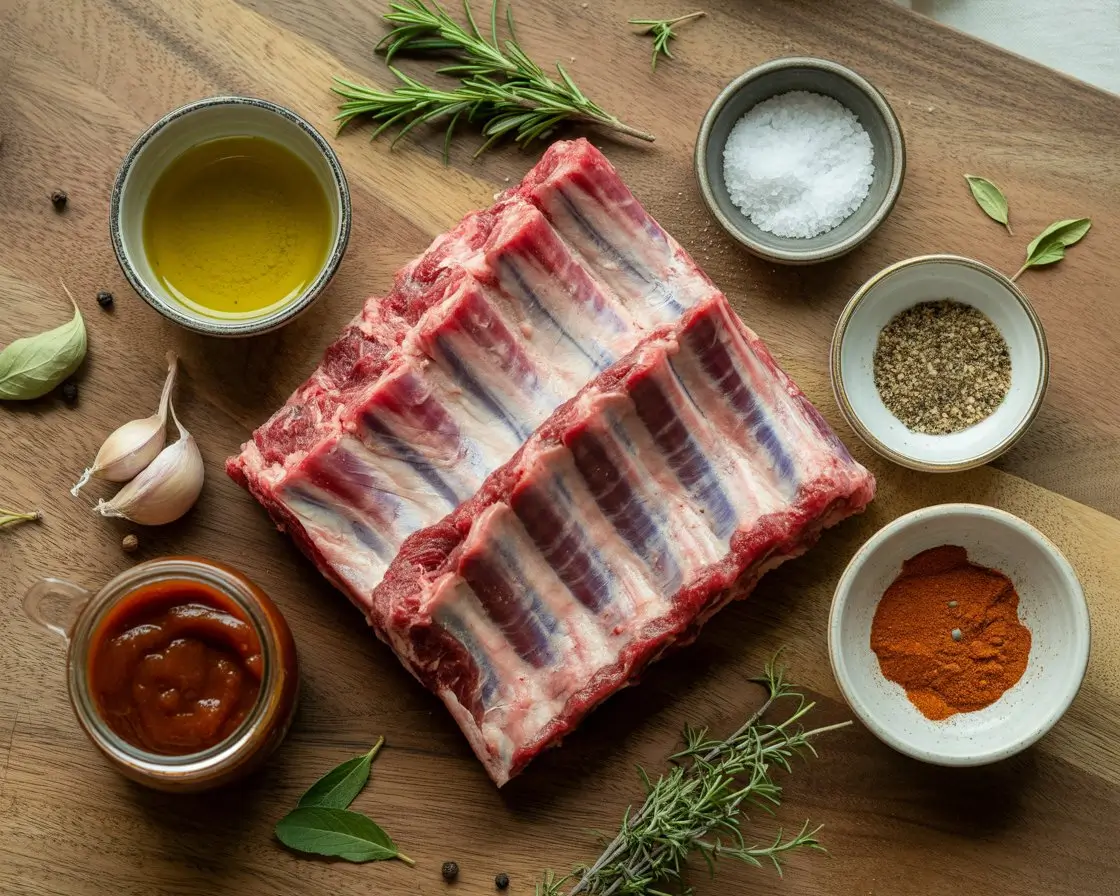
For the Ribs:
- 2.5 lbs (1.1 kg) beef short ribs or beef back ribs, membrane removed
- 2 tbsp olive oil (sub: avocado oil or neutral vegetable oil)
- 1 tbsp coarse sea salt
- 1 tsp freshly cracked black pepper
- 1 tsp smoked paprika (sub: regular paprika + 1/4 tsp liquid smoke)
- 1 tsp garlic powder
- 1 tsp onion powder
- 1/2 tsp cayenne pepper (optional — adjust to heat preference)
- 1/2 tsp dried thyme or dried rosemary
For the BBQ Glaze:
- 1/2 cup (120 ml) your favourite BBQ sauce (sub: sugar-free BBQ for low-carb)
- 2 tbsp apple cider vinegar
- 1 tbsp honey or brown sugar (sub: maple syrup for vegan glaze)
- 1 tsp Worcestershire sauce (sub: soy sauce or tamari for gluten-free)
- 1 clove garlic, minced
For Braising:
- 1 cup (240 ml) beef broth (sub: vegetable broth)
- 1/2 cup (120 ml) water
Timing: Faster Than You Think
One of the most common misconceptions about beef ribs is that they take all day. Traditional slow-smoked beef ribs can take 6–8 hours. This method cuts that down to 90 minutes total — roughly 20% less time than the average oven beef ribs recipe — while delivering comparable depth of flavour.
| Stage | Time |
| Preparation & Seasoning | 15 minutes |
| Braising in Oven | 60 minutes |
| Glazing & Broiling | 10–15 minutes |
| Resting | 5 minutes |
| Total | ~90 minutes |
Step-by-Step Instructions
Follow these steps carefully and you’ll have fall-off-the-bone beef ribs that would make any pitmaster proud.
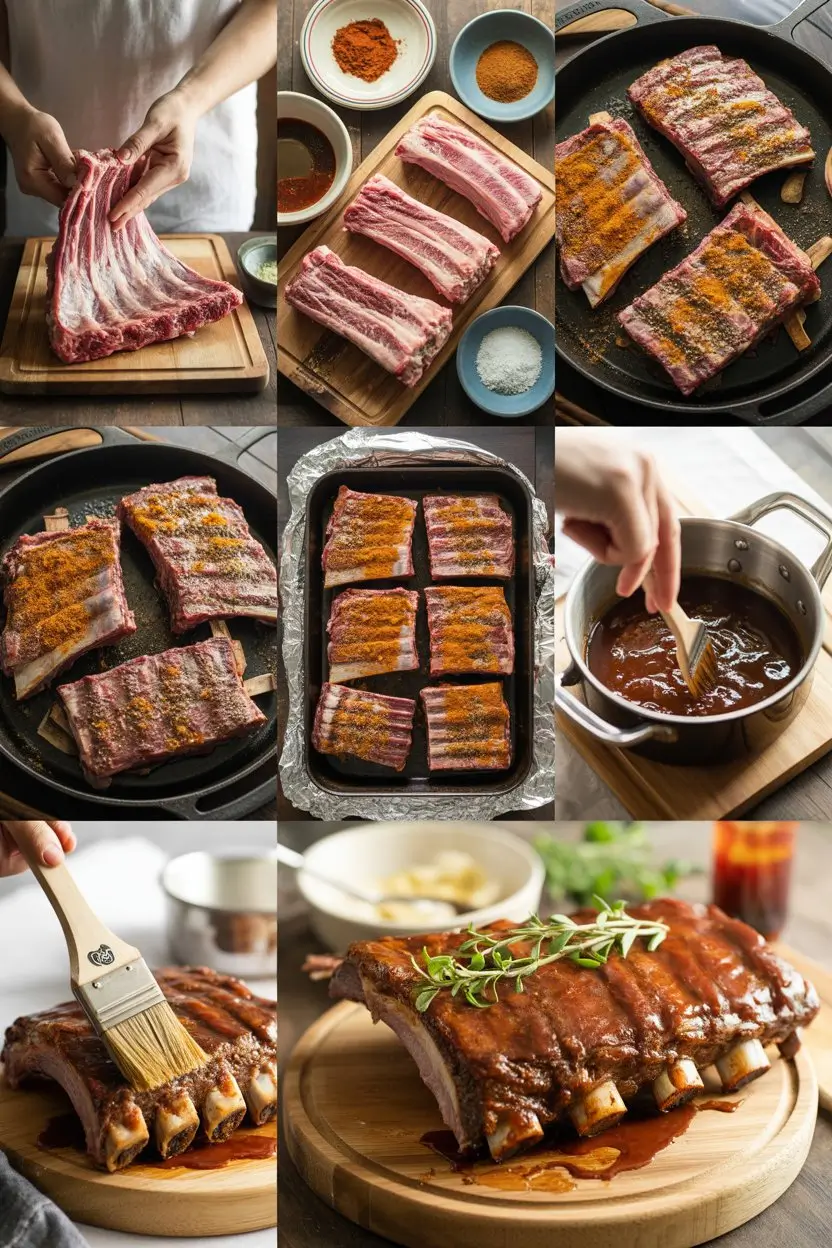
Step 1: Prep Your Beef Ribs
Preheat your oven to 300°F (150°C). Lay your beef ribs on a cutting board and pat them completely dry with paper towels — this is non-negotiable for achieving a perfect crust. If the silverskin membrane is still on the bone side, slip a butter knife under it and peel it off entirely (a dry paper towel gives you grip). Dry, membrane-free ribs absorb seasoning like a sponge.
Step 2: Apply the Dry Rub
In a small bowl, combine sea salt, black pepper, smoked paprika, garlic powder, onion powder, cayenne, and dried thyme. Drizzle olive oil over both sides of the ribs, then generously massage the dry rub into every surface, including the bone side. Don’t be shy — you want every inch coated. Let the seasoned ribs rest at room temperature for 10 minutes while the oven heats up. This brief rest lets the salt begin drawing moisture to the surface, creating a self-basting effect.
Step 3: Sear for Deep Flavour (Optional but Recommended)
Heat an oven-safe skillet or Dutch oven over high heat until it’s screaming hot. Add a splash of oil and sear the ribs meat-side down for 2–3 minutes until deeply browned. Don’t move them — you want a hard caramelised crust. Flip and sear the bone side for 1 minute. This Maillard reaction is the key to adding layers of complexity that braising alone can’t achieve.
Step 4: Braise Low and Slow
Pour the beef broth and water into the bottom of your pan or braising dish. Place the ribs meat-side up — keeping them above the liquid ensures they braise, not boil. Cover tightly with a lid or two layers of aluminium foil (a tight seal is critical). Transfer to the oven and cook at 300°F (150°C) for 60 minutes. During this time, the collagen in the beef breaks down into silky gelatin, giving you that signature tender, succulent texture.
Step 5: Make the BBQ Glaze
While the ribs braise, whisk together your BBQ sauce, apple cider vinegar, honey, Worcestershire sauce, and minced garlic in a small saucepan. Simmer over medium-low heat for 5 minutes, stirring frequently, until the glaze thickens slightly and becomes sticky. Taste and adjust — more honey for sweetness, more vinegar for tang, a pinch of cayenne for heat.
Step 6: Glaze and Broil to Finish
Remove the ribs from the oven and switch to the broiler setting (high). Carefully uncover and brush a generous layer of glaze over the meat side. Slide the uncovered pan under the broiler 6 inches from the element and broil for 4–5 minutes until the glaze caramelises into a gorgeous, slightly charred lacquer. Watch closely — it can burn fast! Brush on a second coat of glaze, broil for another 2–3 minutes, then pull immediately.
Step 7: Rest Before Serving
Tent the ribs loosely with foil and rest for 5 full minutes. Resting allows the juices to redistribute evenly throughout the meat. Cutting too early means losing all that precious moisture on your cutting board instead of on your palate. Use this time to plate your sides and garnish with freshly chopped parsley or green onions.
Nutritional Information
Based on one serving (approximately 2–3 short ribs or 1–2 back rib sections, ~6 oz cooked meat). Figures are estimates and may vary based on specific cuts and glaze quantities used.
| Nutrient | Per Serving | % Daily Value |
| Calories | 480 kcal | — |
| Protein | 42 g | 84% |
| Total Fat | 32 g | 41% |
| Saturated Fat | 12 g | 60% |
| Carbohydrates | 6 g | 2% |
| Sodium | 560 mg | 24% |
| Iron | 4.2 mg | 23% |
| Zinc | 8.1 mg | 74% |
Beef ribs are an excellent source of complete protein, iron, and zinc — nutrients essential for muscle repair, immune function, and energy metabolism. According to USDA data, beef short ribs contain approximately 22–24g of protein per 3 oz serving, making this a genuinely protein-dense meal.
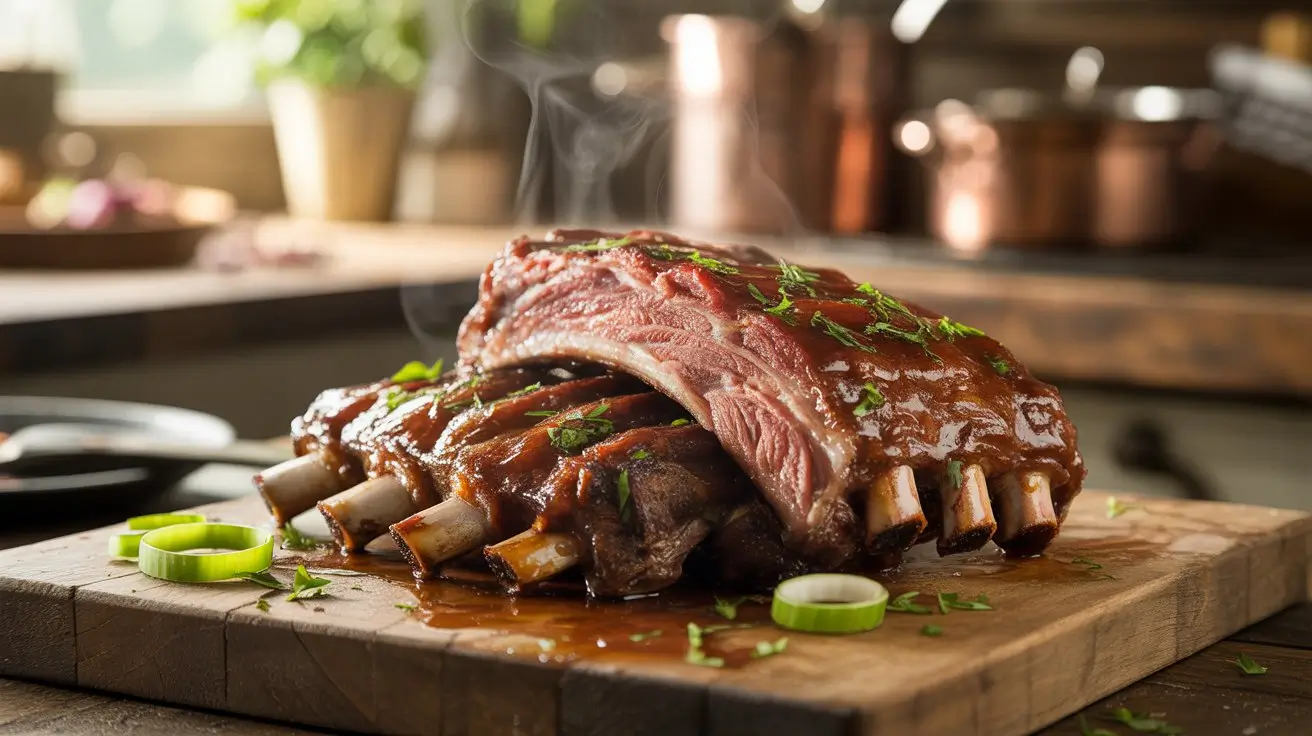
Healthier Alternatives for the Recipe
Love your beef ribs but watching macros or accommodating dietary preferences? These smart swaps maintain the bold flavour profile while improving the nutritional balance.
Lower Calorie / Lower Fat:
- Choose beef back ribs over short ribs — they have significantly less intramuscular fat while still delivering tender, beefy flavour.
- Trim excess visible fat cap before cooking to reduce saturated fat by up to 30%.
- Use a sugar-free BBQ sauce to cut carbs and calories without sacrificing flavour.
Lower Sodium:
- Reduce sea salt to 1.5 tsp and use a low-sodium beef broth.
- Make your own homemade BBQ sauce to control sodium levels precisely.
Gluten-Free:
- Swap Worcestershire sauce for tamari or coconut aminos.
- Verify your BBQ sauce is certified gluten-free — many commercial brands contain malt vinegar.
Paleo / Whole30:
- Skip the BBQ glaze entirely and finish with a herb-garlic butter baste (melted grass-fed butter, garlic, rosemary, thyme).
- Use compliant coconut aminos in place of Worcestershire.
Serving Suggestions
A spectacular beef ribs recipe deserves equally spectacular accompaniments. Here are crowd-pleasing pairing ideas for every occasion:
- Classic BBQ Plate: Serve alongside creamy coleslaw, baked mac and cheese, cornbread, and pickled jalapeños. The creaminess of the sides offsets the richness of the ribs beautifully.
- Low-Carb / Keto: Pair with cauliflower mash, grilled broccolini with lemon, and a fresh cucumber-tomato salad dressed with olive oil and red wine vinegar.
- Date Night Elegant: Serve over a bed of creamy polenta, drizzled with the reduced braising jus, garnished with fresh rosemary and microgreens.
- Game Day Feast: Cut between the bones for individual rib handles, stack them high on a wooden board, and serve with extra glaze for dipping, crispy onion rings, and ice-cold drinks.
- Family Sunday Dinner: Pair with fluffy mashed potatoes, honey-glazed roasted carrots, and green beans almondine for a warm, wholesome meal the whole table will love.
Pro tip: Warm your serving platter in the oven before plating — cold plates cool ribs faster than anything else and you want every bite at peak temperature.
Common Mistakes to Avoid
Even experienced cooks make these classic errors with beef ribs. Here’s how to sidestep every pitfall:
1. Not Removing the Membrane
The silverskin on the back of beef ribs doesn’t break down during cooking — it turns tough and chewy, acting as a barrier that prevents seasoning from penetrating the meat. Always remove it. Takes 30 seconds and makes a massive difference.
2. Cooking at Too High a Temperature
Higher heat does not mean faster results with ribs — it means tougher results. The collagen conversion to gelatin (what makes ribs tender) requires sustained low heat. 300°F (150°C) is the sweet spot. Resist the urge to crank it to 375°F — you’ll end up with dry, chewy ribs.
3. Using Too Little Liquid for Braising
Without adequate moisture in the braising vessel, your ribs will dry out before the connective tissue has time to render. You don’t want the ribs swimming — but there should always be a 1/2-inch depth of liquid at the bottom.
4. Skipping the Rest Period
Studies on meat cookery consistently show that resting meat for 5–10 minutes after cooking reduces juice loss by up to 40% when cut. Skip this step and you’re leaving the best part of the meal on your cutting board.
5. Glazing Too Early
BBQ sauce contains sugar, which burns quickly. Apply glaze only in the final 10–15 minutes under the broiler — never during the braise. Burnt glaze turns bitter and ruins hours of careful work.
Storing Tips for the Recipe
Refrigerating Leftovers:
- Allow ribs to cool to room temperature (no longer than 2 hours after cooking).
- Store in an airtight container or wrap tightly in aluminium foil then place in a zip-lock bag.
- Refrigerate for up to 4 days. The flavour actually deepens overnight as the glaze permeates further into the meat.
Freezing:
- Beef ribs freeze exceptionally well. Wrap individual portions tightly in cling film, then place in freezer bags with the air pressed out.
- Freeze for up to 3 months. Label with the date.
- Thaw overnight in the refrigerator — never at room temperature.
Reheating for Best Results:
- Oven method (preferred): Place ribs in a baking dish, add 2–3 tbsp beef broth, cover tightly with foil, and reheat at 275°F (135°C) for 25–30 minutes. They’ll taste almost freshly made.
- Microwave method: Cover loosely and heat in 60-second intervals at 70% power to avoid rubbery texture.
- Avoid reheating directly from frozen — always thaw first for even, gentle heating.
Make-Ahead Tips:
- Season the ribs with the dry rub up to 24 hours ahead and refrigerate uncovered — this dry-brining process draws moisture out and back in, seasoning the meat more deeply.
- The BBQ glaze can be made 1 week in advance and stored in a sealed jar in the refrigerator.
Conclusion
This beef ribs recipe delivers tender, flavour-packed results in just 90 minutes using simple techniques: a bold dry rub, gentle braising, and a caramelised BBQ glaze finish. It’s approachable enough for weeknights yet impressive enough for guests. Whether you’re a BBQ novice or a seasoned home chef, this is one recipe worth mastering.
We’d love to hear how your ribs turned out! Try the recipe, then share your experience in the review section below — your feedback helps us improve and inspires other home cooks. Subscribe to our newsletter for weekly recipes, cooking tips, and exclusive guides delivered straight to your inbox.
Frequently Asked Questions (FAQs)
Q: What is the difference between beef short ribs and beef back ribs?
Beef short ribs come from the chuck or plate section and are thick, meaty, and extremely rich due to high fat content — ideal for braising. Beef back ribs come from the prime rib section and are longer with less meat on top of the bone but excellent marbling between bones. Both work beautifully in this recipe, though short ribs produce a richer, more succulent result.
Q: Can I make this beef ribs recipe without an oven?
Absolutely! Use a slow cooker — season and sear the ribs as directed, then cook on LOW for 7–8 hours or HIGH for 4–5 hours with the broth. Finish by transferring to a foil-lined baking tray and broiling for 5 minutes to caramelise the glaze. Alternatively, this recipe adapts beautifully to an Instant Pot: cook on Pressure Cook / High for 45 minutes with a natural release.
Q: Why are my beef ribs tough after cooking?
Toughness almost always means the ribs needed more time. Beef ribs require sustained low heat to convert collagen into gelatin. If they’re still chewy after 60 minutes, cover them back up and return to the oven for another 20–30 minutes. Also ensure you removed the membrane — it’s the number one culprit behind tough, rubbery ribs.
Q: Can I use boneless beef ribs for this recipe?
Yes! Boneless beef short ribs (often sold as ‘flanken-style’ or ‘boneless chuck short ribs’) work perfectly here. Reduce the braising time by 10–15 minutes since there’s no bone mass to heat through. The technique and seasoning remain identical.
Q: How do I know when beef ribs are done?
The best test is the poke test: probe the meat between two bones with a toothpick or skewer. It should slide in with almost no resistance, like pushing into warm butter. Alternatively, the meat will have visibly pulled back from the ends of the bone by at least 1/4 inch. An instant-read thermometer reading of 200–205°F (93–96°C) confirms perfect collagen breakdown.
Q: What is the best wood smoke pairing for beef ribs?
If you’re adapting this recipe for an outdoor smoker or adding wood chips to your oven method, oak is the classic pairing for beef ribs — it delivers a robust, earthy smoke that complements the beefy richness without overpowering. Hickory adds a stronger, bacon-like smoke flavour, while cherry wood provides a subtle sweetness and a beautiful mahogany colour to the bark.