The Best Fluffy Pancakes recipe you will fall in love with. Full of tips and tricks to help you make the best pancakes.

Classic Beef Stew Recipe for Cozy Homemade Meals
Table of Contents
Did you know that nearly 68 percent of home cooks report beef stew as one of their top five comfort foods, yet most only know one or two ways to prepare it? If you think beef stew is just a one-note winter dish, it’s time to reconsider.
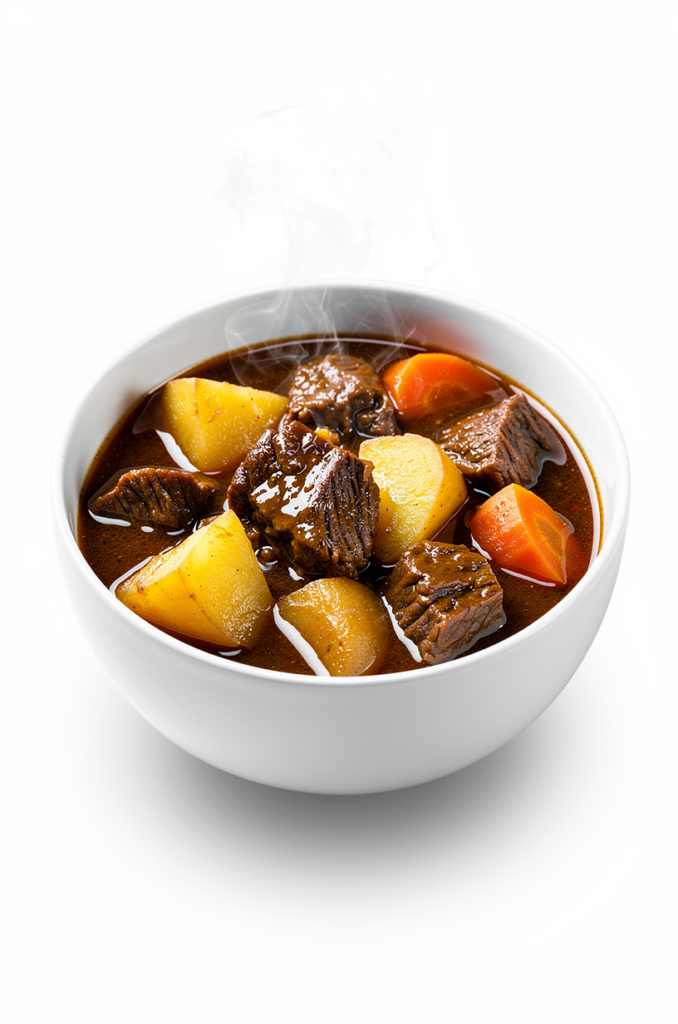
Looking for new beef stew recipe ideas? This classic beef stew recipe combines tender beef, hearty vegetables, and rich broth for a comforting homemade meal.
Whether you’re looking to master the art of tender, melt-in-your-mouth beef, experiment with flavor variations, or simply create a satisfying family dinner, this recipe delivers rich flavor and reliable results.
This comprehensive guide will walk you through the fundamental principles of making a rich and flavorful beef stew while teaching techniques that guarantee tender beef and delicious results every time.
From understanding why slow cooking produces superior results to mastering the balance of vegetables and broth, you’ll gain the confidence to customize recipes and create your own signature variations that your family will request again and again.
Ingredients
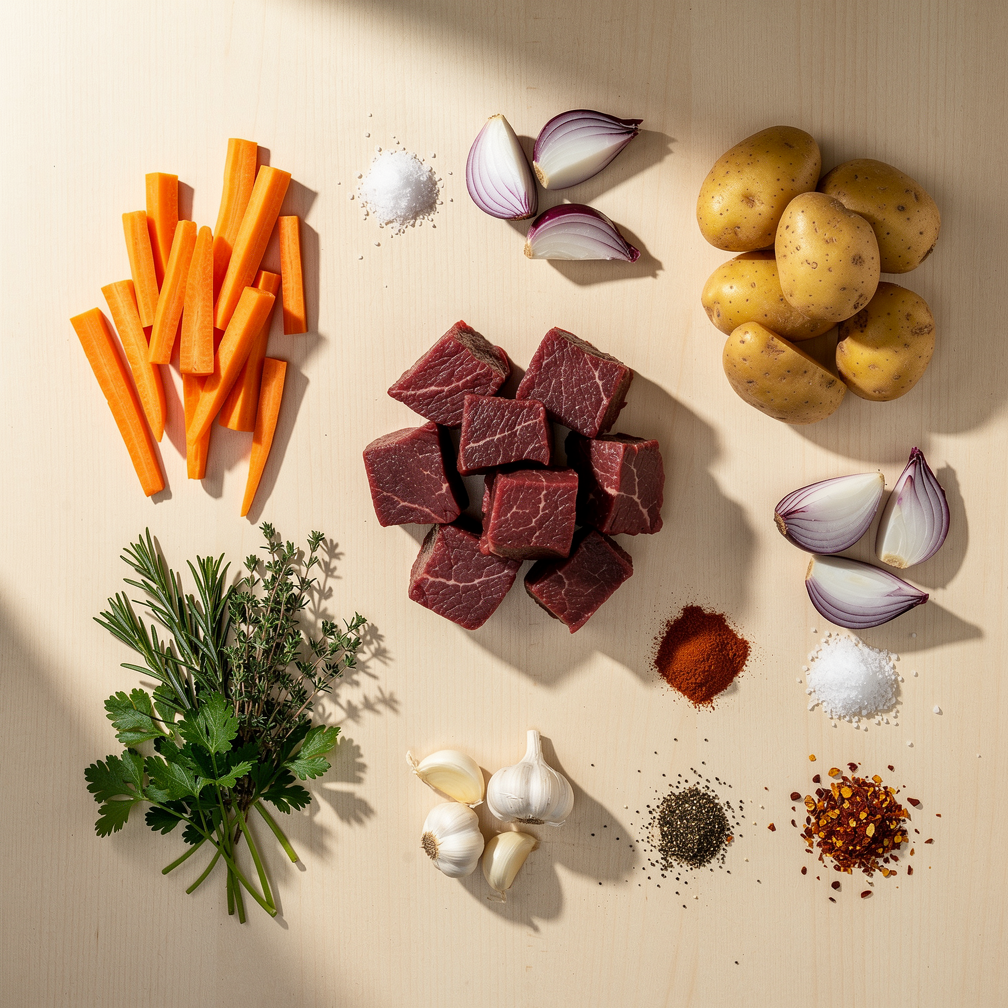
The foundation of exceptional beef stew begins with quality ingredients and understanding how each component contributes to the final dish. Here’s what you’ll need for a classic base that you can adapt across multiple beef stew variations:
Protein:
- 2 to 3 pounds beef chuck roast, cut into 1.5-inch cubes (the marbling ensures tenderness)
- Alternative cuts: beef brisket, short ribs, or round roast (though chuck remains superior for texture)
Aromatics:
- 2 large yellow onions, roughly chopped (sweet onions work beautifully for a milder flavor)
- 4 to 6 garlic cloves, minced (roasted garlic adds depth)
- 2 celery stalks, diced (adds subtle earthy notes)
Vegetables:
- 4 large carrots, peeled and cut into chunks (parsnips make an excellent sweet substitution)
- 4 medium Yukon Gold potatoes, cubed (red potatoes hold their shape better)
- 2 cups mushrooms, quartered (cremini or button varieties)
- 1 cup frozen peas (add during final 10 minutes of cooking)
- 2 bay leaves
- Fresh thyme sprigs (or 1 teaspoon dried thyme)
Liquid Base:
- 4 cups beef broth or stock (homemade provides richer flavor)
- 1 cup red wine (Cabernet Sauvignon or Merlot work well)
- 2 tablespoons tomato paste (concentrates umami flavor)
- 2 tablespoons Worcestershire sauce
Thickening and Seasoning:
- 3 tablespoons all-purpose flour (or cornstarch for gluten-free)
- 2 tablespoons olive oil or bacon fat
- 2 teaspoons salt (adjust to taste)
- 1 teaspoon black pepper
- 1 teaspoon smoked paprika (optional but recommended)
The sensory experience begins before cooking: notice how the raw beef has a deep burgundy color and firm texture, how the aromatics release their pungent fragrance when chopped, and how quality broth has a rich, golden appearance. These visual and aromatic cues indicate ingredient quality that directly impacts your final results.
Timing
Understanding the time investment for beef stew helps you plan accordingly and sets realistic expectations for this slow-cooked comfort food.
Preparation Time: 20 to 30 minutes This includes trimming and cubing the beef, chopping vegetables, and gathering ingredients. If you’re new to knife skills, allow closer to 40 minutes.
Cooking Time: 2.5 to 3 hours (stovetop method) The beef needs adequate time to break down tough connective tissues and become fork-tender. Rushing this process results in chewy, disappointing meat.
Alternative Cooking Methods:
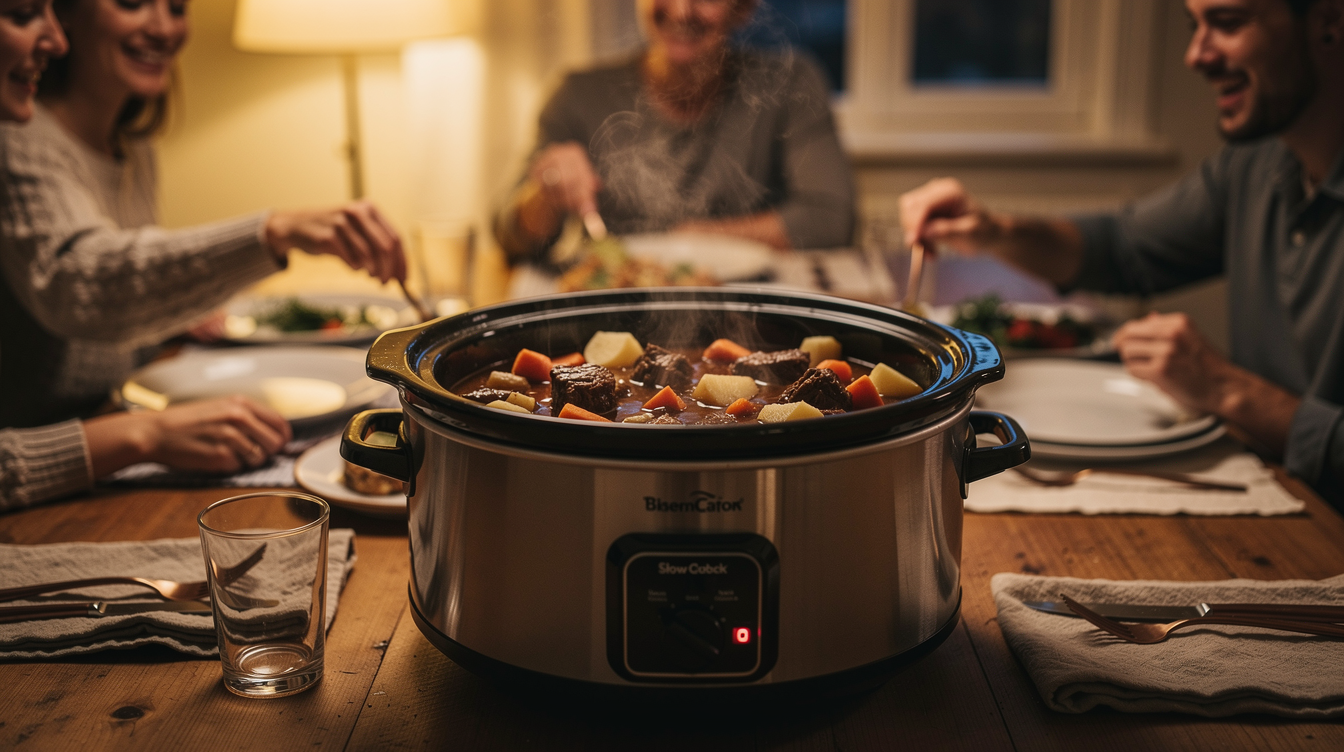
- Slow cooker: 6 to 8 hours on low, or 4 to 5 hours on high
- Pressure cooker or Instant Pot: 35 to 45 minutes at high pressure
- Dutch oven in the oven: 2.5 to 3 hours at 325 degrees Fahrenheit
Total Time: Approximately 3 to 3.5 hours from start to finish
To put this in perspective, beef stew requires roughly the same time commitment as watching a football game or completing a leisurely Sunday afternoon project.
The hands-on time is minimal once the stew begins simmering, allowing you to attend to other tasks while your kitchen fills with mouthwatering aromas. Many experienced cooks prepare beef stew on lazy weekend afternoons or use slow cookers to have dinner ready after work.
Step-by-Step Instructions
Step 1: Prepare and Season the Beef
Pat the beef cubes completely dry with paper towels. This critical step ensures proper browning rather than steaming. Season generously with salt and pepper on all sides. The beef should look almost crusted with seasoning. Let the meat sit at room temperature for 15 to 20 minutes before cooking, which promotes even cooking throughout each piece.
Step 2: Brown the Beef in Batches
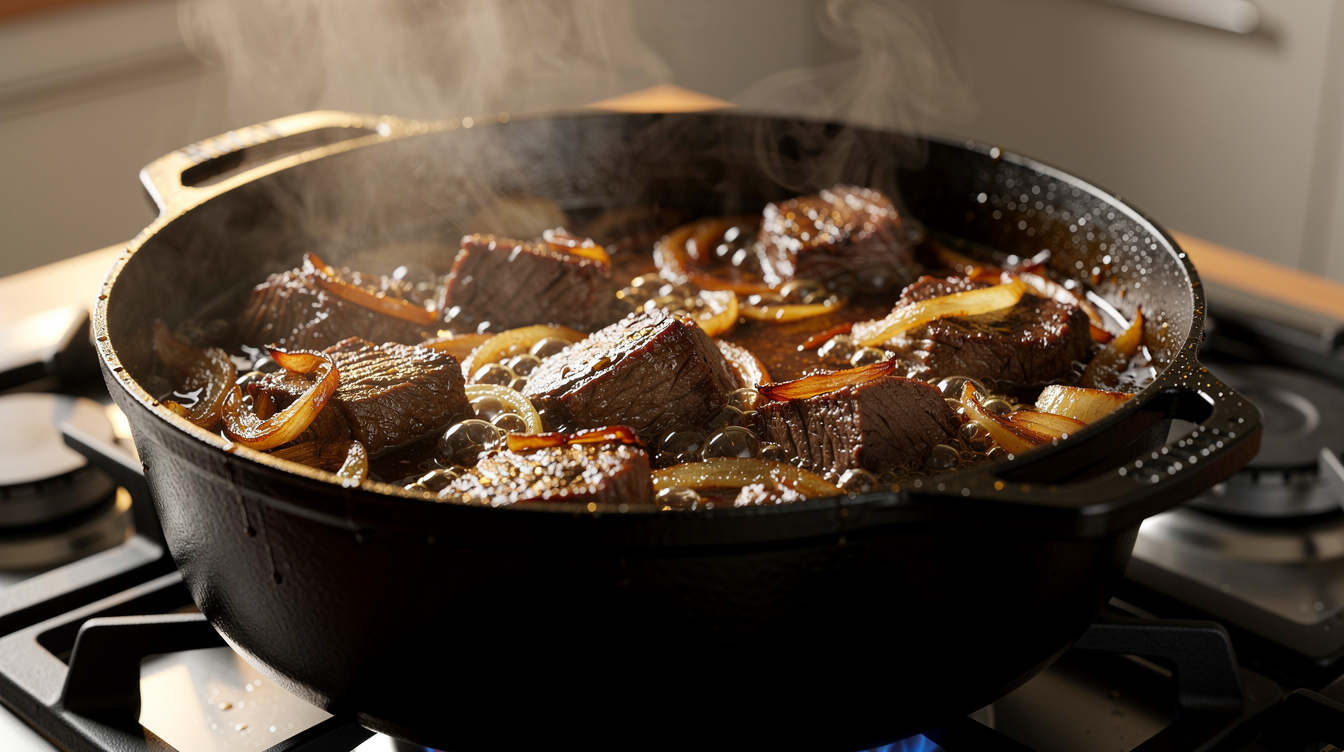
Heat 2 tablespoons of olive oil in a large Dutch oven or heavy-bottomed pot over medium-high heat until shimmering. Working in batches to avoid crowding, add beef cubes in a single layer. Crowding causes steaming instead of browning.
Sear each piece for 2 to 3 minutes per side until a deep golden-brown crust forms. This Maillard reaction creates complex flavors that define exceptional stew. Transfer browned beef to a plate and repeat with remaining pieces, adding more oil if needed.
Step 3: Build the Flavor Base
Reduce heat to medium and add chopped onions to the pot with accumulated beef fat. Cook for 5 to 7 minutes, stirring occasionally, until softened and lightly caramelized.
Add minced garlic and cook for 1 minute until fragrant. Stir in tomato paste and cook for 2 minutes, allowing it to darken slightly and lose its raw taste. This step concentrates the tomato flavor and adds depth to your broth.
Step 4: Deglaze and Add Liquid
Pour in red wine, using a wooden spoon to scrape up all the browned bits stuck to the bottom of the pot. These fond particles contain concentrated flavor essential to rich stew. Let the wine simmer for 3 to 4 minutes to cook off the alcohol. Add beef broth, Worcestershire sauce, bay leaves, and thyme. Stir to combine thoroughly.
Step 5: Return Beef and Simmer
Return the browned beef and any accumulated juices to the pot. Bring the liquid to a boil, then immediately reduce heat to low. The stew should maintain a gentle simmer with small bubbles occasionally breaking the surface.
Cover partially with a lid and cook for 1.5 hours, stirring every 30 minutes. This slow, gentle cooking breaks down collagen in the beef, transforming tough chuck into tender, succulent pieces.
Step 6: Add Vegetables
After 1.5 hours, add carrots, potatoes, celery, and mushrooms. Stir to incorporate and ensure vegetables are mostly submerged. Continue simmering partially covered for another 45 minutes to 1 hour until vegetables are tender when pierced with a fork and beef is falling-apart tender.
Step 7: Adjust Consistency and Season
If your stew seems too thin, create a slurry by mixing 2 tablespoons flour with 3 tablespoons cold water until smooth. Stir this into the simmering stew and cook for 10 minutes until thickened.
Alternatively, mash some of the potatoes against the side of the pot to naturally thicken the broth. Taste and adjust seasoning with additional salt, pepper, or Worcestershire sauce. Add frozen peas during the final 5 minutes of cooking. Remove bay leaves before serving.
Step 8: Rest Before Serving
Allow the stew to rest off heat for 10 to 15 minutes before serving. This resting period lets flavors meld and the stew slightly thicken as it cools. The texture and taste improve noticeably during this brief wait.
Nutritional Information
Understanding the nutritional profile of beef stew helps you make informed decisions about portion sizes and dietary considerations. The following information is based on a standard serving size of approximately 1.5 cups.
Note: Nutrition values are estimates and may vary depending on ingredients, portion sizes, and cooking methods.
Per Serving (approximately 6 servings per recipe):
- Calories: 420 to 480 calories
- Protein: 32 to 38 grams
- Total Fat: 18 to 22 grams
- Saturated Fat: 6 to 8 grams
- Carbohydrates: 28 to 35 grams
- Dietary Fiber: 4 to 6 grams
- Sugars: 6 to 8 grams
- Sodium: 780 to 950 milligrams
- Cholesterol: 95 to 110 milligrams
- Iron: 25 to 30 percent of daily value
- Vitamin A: 180 to 220 percent of daily value
- Vitamin C: 20 to 25 percent of daily value
- Potassium: 15 to 18 percent of daily value
Beef stew provides substantial protein, making it highly satiating and excellent for muscle maintenance. The high vitamin A content comes primarily from carrots, supporting eye health and immune function. The iron from beef is heme iron, which the body absorbs more efficiently than plant-based iron sources.
According to nutritional data from the USDA at https://www.nal.usda.gov/topics/food-nutrition, beef provides essential nutrients including B vitamins, zinc, and selenium that support various bodily functions.
The calorie content can vary significantly based on the beef cut used, amount of oil for browning, and potato quantity. Leaner preparations using round roast and minimal added fat can reduce calories to the 350 to 400 range per serving.
Healthier Alternatives
Adapting beef stew to accommodate dietary preferences or health goals doesn’t mean sacrificing flavor or satisfaction. Here are proven modifications that maintain the comfort food essence:
Lower Fat Options:
- Use beef round or sirloin instead of chuck, which contains less marbling
- Brown beef in a non-stick pan with minimal oil or cooking spray
- Refrigerate the finished stew overnight and skim solidified fat from the surface before reheating
- Increase the vegetable-to-meat ratio to 60 percent vegetables and 40 percent beef
Lower Sodium Versions:
- Use low-sodium or no-salt-added beef broth
- Eliminate Worcestershire sauce or use a reduced-sodium version
- Season with herbs, spices, and acid from lemon juice rather than relying on salt
- Add umami through mushrooms, tomatoes, and caramelized onions instead of salt
Gluten-Free Adaptation:
- Replace all-purpose flour with cornstarch, arrowroot powder, or gluten-free flour blend
- Verify that beef broth and Worcestershire sauce are certified gluten-free
- Use tamari instead of regular soy sauce if adding Asian-inspired flavors
Lower Carbohydrate Version:
- Replace potatoes with cauliflower, turnips, or radishes that soften during cooking
- Increase mushroom quantity for additional substance and umami
- Add extra celery root for texture without high carbohydrate content
- Use xanthan gum as a low-carb thickener instead of flour
Plant-Based Alternative:
- Substitute beef with large chunks of portobello mushrooms, seitan, or jackfruit
- Use vegetable broth fortified with soy sauce and miso paste for depth
- Add smoked paprika and liquid smoke to replicate the savory depth of beef
- Include hearty vegetables like eggplant and parsnips for substantial texture
Paleo-Friendly Version:
- Omit regular potatoes and use sweet potatoes or butternut squash
- Thicken with arrowroot powder instead of flour
- Use coconut aminos instead of Worcestershire sauce
- Ensure beef is grass-fed and organic when possible
These adaptations prove that exploring different beef stew cooking methods and ingredient substitutions can yield equally delicious results tailored to your specific needs.
Serving Suggestions
The versatility of beef stew extends to how you present and accompany this hearty dish. Consider these creative serving ideas that elevate the dining experience:
Classic Pairings:
- Serve over a thick slice of crusty sourdough bread or alongside warm dinner rolls
- Top with a dollop of sour cream and fresh chopped parsley for color contrast
- Accompany with a simple green salad dressed with vinaigrette to cut through richness
- Pair with buttered egg noodles or mashed potatoes for ultimate comfort
Elevated Presentations:
- Serve in individual bread bowls made from hollowed-out sourdough boules
- Garnish with crispy fried shallots or onions for textural contrast
- Top with a puff pastry round to create individual pot pies
- Sprinkle with fresh herbs like thyme, rosemary, or chives just before serving
Global-Inspired Twists:
- Add a swirl of pesto for Italian flair
- Top with crumbled feta cheese and serve with warm pita for Mediterranean influence
- Garnish with fresh cilantro and serve with warm tortillas for a Southwestern approach
- Add a spoonful of harissa and serve over couscous for North African inspiration
Beverage Pairings:
- Red wine such as Cabernet Sauvignon, Merlot, or Syrah complements the rich beef flavors
- For non-alcoholic options, try sparkling water with lemon or unsweetened iced tea
- A robust stout or brown ale pairs beautifully with the savory depth
The beauty of beef stew lies in its adaptability. You can dress it up for dinner parties by serving in elegant bowls with garnishes, or keep it casual for family meals with simple bread on the side. Leftovers taste even better the next day, making beef stew an ideal make-ahead meal for busy weeknights.
Common Mistakes to Avoid
Even experienced cooks occasionally stumble when preparing beef stew. Learning from common pitfalls helps ensure consistent success:
Skipping the Browning Step: Many cooks rush this process or skip it entirely, resulting in flat, one-dimensional flavor. Browning creates hundreds of flavor compounds through the Maillard reaction.
Studies show that properly browned meat contributes up to 40 percent more flavor complexity compared to meat that’s simply simmered. Always take time to brown in batches with adequate space between pieces.
Using the Wrong Cut of Beef: Lean cuts like sirloin or round become dry and tough during long cooking. Chuck roast contains adequate fat and connective tissue that breaks down into gelatin during slow cooking, creating tender, flavorful results.
According to food safety guidelines from the USDA at https://www.fsis.usda.gov/food-safety/safe-food-handling-and-preparation/meat/beef-safety-qa, proper cooking temperatures and methods ensure both safety and quality.
Cooking at Too High Temperature: Boiling rather than simmering makes beef tough and stringy. The ideal temperature for stew is between 180 and 200 degrees Fahrenheit, where collagen breaks down gradually without seizing the muscle fibers. If you see rapid bubbling, reduce your heat immediately.
Adding Vegetables Too Early: Vegetables added at the beginning become mushy and lose their distinct flavors. Potatoes and carrots need only 45 minutes to 1 hour to become tender. Adding them after the beef has cooked for 1.5 hours ensures perfectly cooked vegetables that maintain some texture.
Not Seasoning Adequately: Beef stew requires generous seasoning due to its volume. Season the beef before browning, season the aromatics while cooking, and adjust the final seasoning before serving. Taste throughout the cooking process and adjust accordingly.
Using Insufficient Liquid: As stew simmers, liquid evaporates. Starting with barely enough liquid results in dry, thick stew. The liquid should cover the ingredients by about one inch initially. You can always reduce excess liquid later if needed.
Rushing the Cooking Process: No shortcut replaces time when it comes to beef stew. Attempting to finish in 1 hour results in chewy beef and underdeveloped flavors. Plan for at least 2.5 hours of cooking time using traditional methods.
Storing Tips
Proper storage extends the life of your beef stew and sometimes even improves its flavor as ingredients continue to meld.
Refrigerator Storage:
- Allow stew to cool to room temperature within 2 hours of finishing cooking
- Transfer to airtight containers, leaving some headspace for expansion
- Store in the refrigerator for 3 to 4 days maximum
- The flavors typically improve after 24 hours as ingredients continue to marry
- Reheat only the portion you plan to eat rather than reheating the entire batch repeatedly
Freezer Storage:
- Beef stew freezes exceptionally well for up to 3 months
- Cool completely before freezing to prevent ice crystal formation
- Use freezer-safe containers or heavy-duty freezer bags
- Remove as much air as possible to prevent freezer burn
- Label containers with date and contents for easy identification
- Consider freezing in individual portions for convenient future meals
Thawing and Reheating:
- Thaw frozen stew in the refrigerator overnight for food safety
- Reheat on the stovetop over medium-low heat, stirring occasionally
- Add a splash of broth or water if the stew has thickened excessively during storage
- Ensure stew reaches 165 degrees Fahrenheit throughout before serving
- Microwave reheating works but may heat unevenly; stir halfway through
Meal Prep Considerations:
- Beef stew makes excellent meal prep for the work week
- Portion into individual containers immediately after cooking for grab-and-go lunches
- Store components separately if you prefer vegetables to maintain more texture
- The stew actually tastes better on days two and three as flavors develop
Pro tip: If you notice the stew has thickened considerably after refrigeration, this is normal as the starches continue to absorb liquid. Simply add small amounts of broth when reheating to achieve your desired consistency.
Conclusion
Mastering these beef stew techniques transforms this classic comfort food into an endlessly adaptable meal. Understanding proper browning, slow cooking principles, and ingredient timing ensures tender beef and perfectly cooked vegetables every time.
Now it’s your turn to create cozy homemade meals using these methods. Try a variation, share your results in the comments below, and subscribe for more comprehensive cooking guides.
Frequently Asked Questions
What is the secret to tender beef stew?
The secret to tender beef stew involves three critical factors: choosing the right cut of beef, maintaining proper cooking temperature, and allowing sufficient cooking time.
Chuck roast is ideal because its marbling and connective tissue break down into gelatin during slow cooking, creating melt-in-your-mouth tenderness. The stew must simmer gently at 180 to 200 degrees Fahrenheit rather than boiling vigorously. High temperatures cause muscle fibers to contract and become tough.
Finally, patience is essential. The beef needs at least 2 to 2.5 hours to properly break down collagen and become fork-tender. Cutting the beef into uniform 1.5-inch cubes ensures even cooking. Browning the meat first also helps seal in moisture. If your beef remains tough after the recommended cooking time, simply continue simmering for another 30 minutes to 1 hour until it reaches the desired tenderness.
Can I make beef stew without wine?
Absolutely. Wine adds acidity and depth but is not essential for delicious beef stew. Replace wine with equal parts beef broth or stock. To compensate for the missing acidity that wine provides, add 1 tablespoon of balsamic vinegar, red wine vinegar, or fresh lemon juice to the broth.
This acidity helps balance the rich flavors and tenderizes the meat. Alternatively, use grape juice with a splash of vinegar, which mimics wine’s sweet and tart profile.
Some cooks successfully use beer, particularly dark stouts or porters, which contribute malty depth similar to red wine. The key is maintaining the total liquid volume and ensuring some acidic component to brighten the flavors. Your stew will be equally satisfying without alcohol, and the cooking method remains identical.
How can I thicken my beef stew?
Several effective methods thicken beef stew depending on your preferences and dietary needs. The most common approach involves creating a slurry by mixing 2 tablespoons of flour or cornstarch with 3 tablespoons of cold water until smooth, then stirring this into the simmering stew.
Cook for 10 additional minutes to eliminate any raw flour taste. Alternatively, mash some of the cooked potatoes against the side of the pot and stir them back into the stew for natural thickening.
Removing the lid during the final 30 minutes of cooking allows excess liquid to evaporate, concentrating flavors while thickening. For a richer option, stir in a beurre manie, which is equal parts softened butter and flour mixed into a paste, added gradually until you reach desired consistency.
Gluten-free options include arrowroot powder or xanthan gum. Adding tomato paste at the beginning also contributes to a thicker consistency. Avoid adding too much thickener at once; you can always add more but cannot easily thin an over-thickened stew.
How long does homemade beef stew last in the fridge?
Homemade beef stew lasts 3 to 4 days when properly stored in the refrigerator. The key to maximizing freshness involves cooling the stew to room temperature within 2 hours of finishing cooking, then transferring it to airtight containers.
Never leave beef stew at room temperature for extended periods, as bacteria multiply rapidly in the temperature danger zone between 40 and 140 degrees Fahrenheit.
Store the stew in the coldest part of your refrigerator, typically the back of the lower shelves. When reheating, ensure the stew reaches 165 degrees Fahrenheit throughout to eliminate any potential bacteria. If you notice any off odors, discoloration, or mold after a few days, discard the stew immediately.
For longer storage, freeze the stew for up to 3 months. Many cooks find that beef stew actually tastes better on the second or third day as flavors continue to develop and meld together in the refrigerator.
What are some common mistakes to avoid when making beef stew?
The most common mistakes include skipping the browning step, which eliminates the deep, complex flavors created by the Maillard reaction. Using lean cuts of beef like sirloin instead of well-marbled chuck results in dry, tough meat because these cuts lack sufficient fat and connective tissue to break down during long cooking.
Cooking the stew at too high a temperature causes the beef to become tough and stringy rather than tender. Adding all vegetables at the beginning leads to mushy, overcooked carrots and potatoes. Insufficient seasoning is another frequent error because the large volume of liquid dilutes flavors, requiring more salt and pepper than you might expect.
Crowding the pan when browning beef causes steaming instead of searing. Using inadequate liquid results in dry stew as moisture evaporates during the long cooking process.
Finally, rushing the cooking time prevents proper collagen breakdown and flavor development. Avoiding these mistakes ensures consistently excellent results with tender beef, perfectly cooked vegetables, and rich, satisfying broth every time you prepare beef stew.
Related Recipes You Might Love: