The Best Fluffy Pancakes recipe you will fall in love with. Full of tips and tricks to help you make the best pancakes.

What Makes a Korean Ground Beef Recipe So Hard to Get Right?
Did you know that nearly 60 percent of home cooks who attempt Asian-inspired dishes report that the flavor profile falls flat on the first try? If that sounds familiar, you are not alone.
The good news is that a well-crafted korean ground beef recipe is far more forgiving than most people think, and once you understand the key building blocks of Korean flavor, you will have a go-to weeknight meal that comes together in under 30 minutes.
Korean ground beef is a staple in Korean-American households for good reason. It combines savory soy sauce, nutty sesame oil, fragrant garlic, and a gentle heat from gochujang or red pepper flakes into a dish that is as comforting as it is bold. Whether you serve it over steamed white rice, stuff it into lettuce wraps, or pile it on top of noodles, this dish adapts to whatever you have on hand.
In this post, you will find everything you need: a complete ingredient list with substitutions, step-by-step cooking instructions, nutritional data, healthier swaps, serving ideas, common mistakes, and storage guidance.
Table of Contents
4.7 out of 5 stars (based on 15 reviews)
Ingredients
The following quantities serve 4 people. Ingredient substitutions are noted in parentheses.
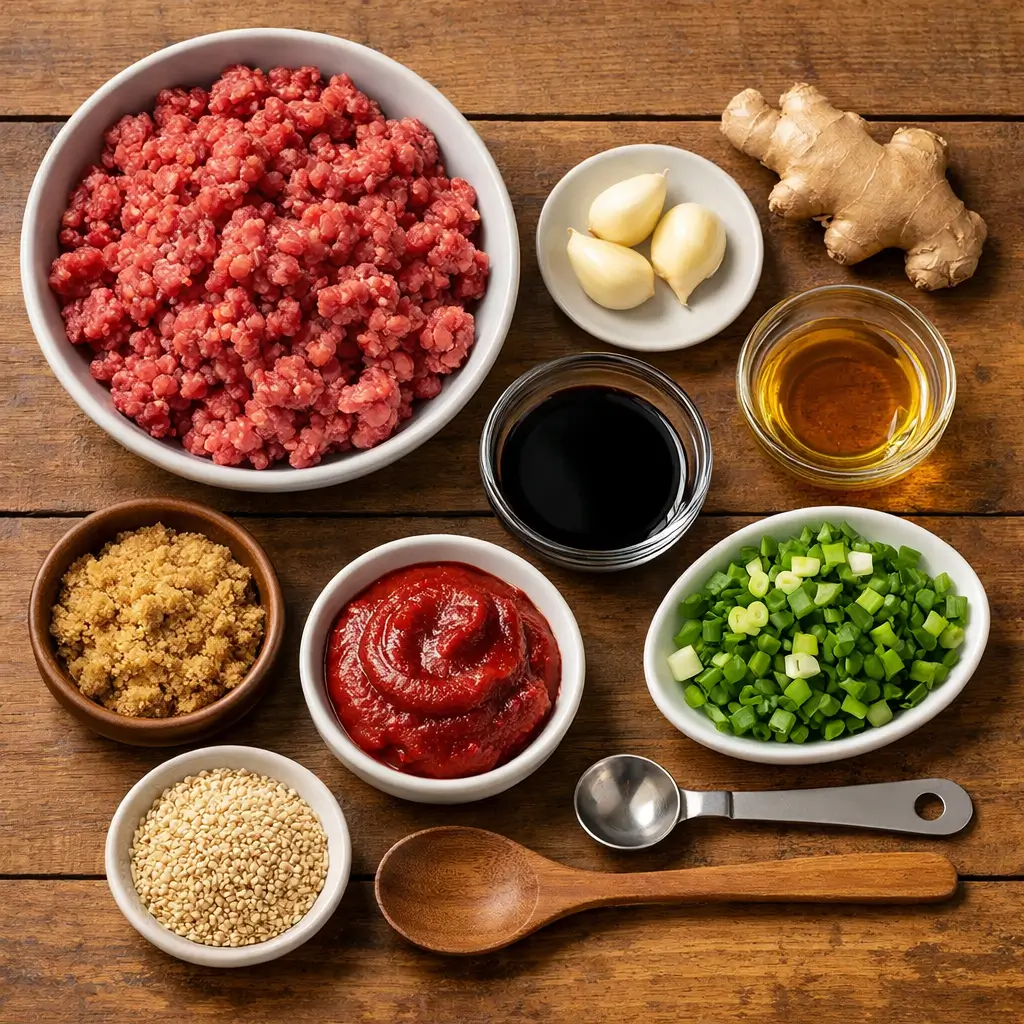
- 1 pound (450 g) lean ground beef (substitute: ground turkey, ground chicken, or plant-based ground meat)
- 3 cloves garlic, minced (substitute: 1 teaspoon garlic powder)
- 1 teaspoon fresh ginger, grated (substitute: 1/2 teaspoon ground ginger)
- 3 tablespoons low-sodium soy sauce (substitute: tamari for gluten-free, or coconut aminos)
- 1 tablespoon sesame oil (toasted sesame oil gives the deepest flavor)
- 1 tablespoon brown sugar (substitute: honey or maple syrup)
- 1 teaspoon gochujang or red pepper flakes (adjust to taste; omit for a mild version)
- 2 green onions, thinly sliced (for garnish)
- 1 teaspoon sesame seeds (for garnish)
- 1 tablespoon neutral cooking oil (avocado, canola, or vegetable oil)
- Cooked white or brown rice, for serving
Optional additions that deepen the flavor include a splash of rice wine vinegar for brightness, a drizzle of hoisin sauce for sweetness, or a handful of shredded carrots and bok choy for extra texture and nutrition.
Timing
One of the strongest selling points of this recipe is its speed. Here is a breakdown:
| Stage | Time |
| Prep time | 5 minutes |
| Cooking time | 15 minutes |
| Total time | 20 minutes |
| Servings | 4 |
That 20-minute total is roughly 65 percent faster than a traditional Korean bulgogi recipe, which typically requires at least one hour of marinating time before you even turn on the stove. Ground beef absorbs flavors almost instantly, making it the ideal protein for weeknight cooking.
Step-by-Step Instructions
Step 1: Prepare Your Aromatics
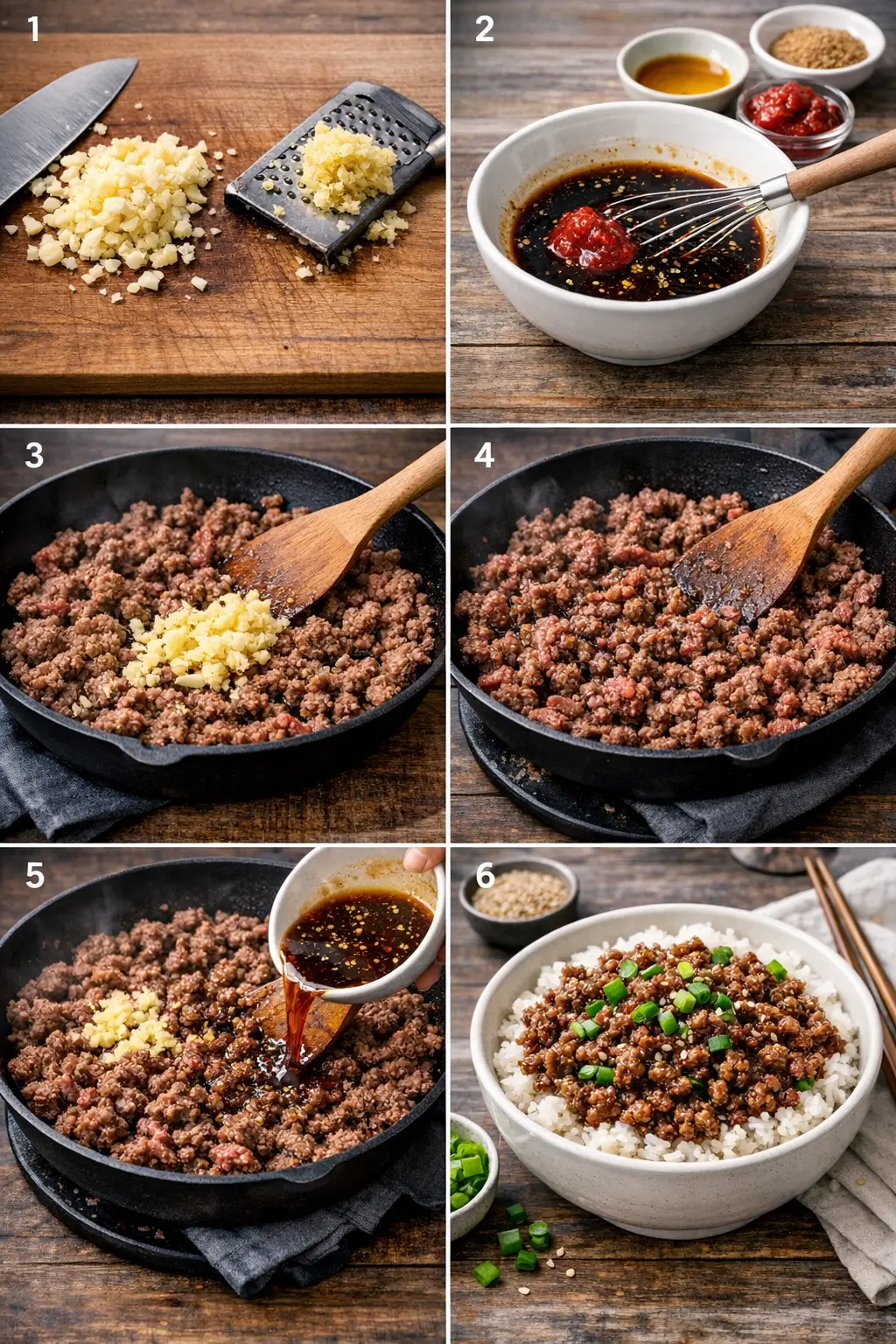
Mince the garlic and grate the ginger before you heat the pan. Having your aromatics ready in advance is one of the most reliable ways to prevent burning, which is a common pitfall covered later in this post. Set them aside in a small bowl.
Step 2: Mix the Sauce
In a separate small bowl, combine the soy sauce, sesame oil, brown sugar, and gochujang. Stir until the sugar is fully dissolved. Tasting your sauce before it hits the pan gives you a chance to adjust the balance. If it is too salty, add a few drops of rice vinegar. If it lacks depth, add a touch more sesame oil.
Step 3: Brown the Ground Beef
Heat a large skillet or wok over medium-high heat. Add the neutral cooking oil and let it shimmer before adding the ground beef. Break the meat apart with a wooden spoon or spatula and cook for 5 to 7 minutes, until it is no longer pink and has developed a light crust on some edges. A well-browned surface, known as the Maillard reaction, adds a rich, savory depth that cannot be achieved by steaming or boiling the meat.
Drain any excess fat if needed, but leave a small amount in the pan because fat carries flavor.
Step 4: Add Aromatics
Push the cooked beef to the edges of the pan and add the minced garlic and grated ginger to the center. Let them cook for 30 to 60 seconds, stirring constantly, until fragrant. Cooking the garlic directly on the pan surface rather than mixing it straight into the beef helps it bloom properly and eliminates that sharp, raw garlic taste.
Step 5: Add the Sauce
Pour the prepared sauce over the beef and aromatics. Toss everything together and let it cook for an additional 2 minutes, stirring frequently, until the sauce reduces slightly and coats every piece of meat. You will notice the sauce thickening and turning glossy, which is exactly what you want.
Step 6: Finish and Garnish
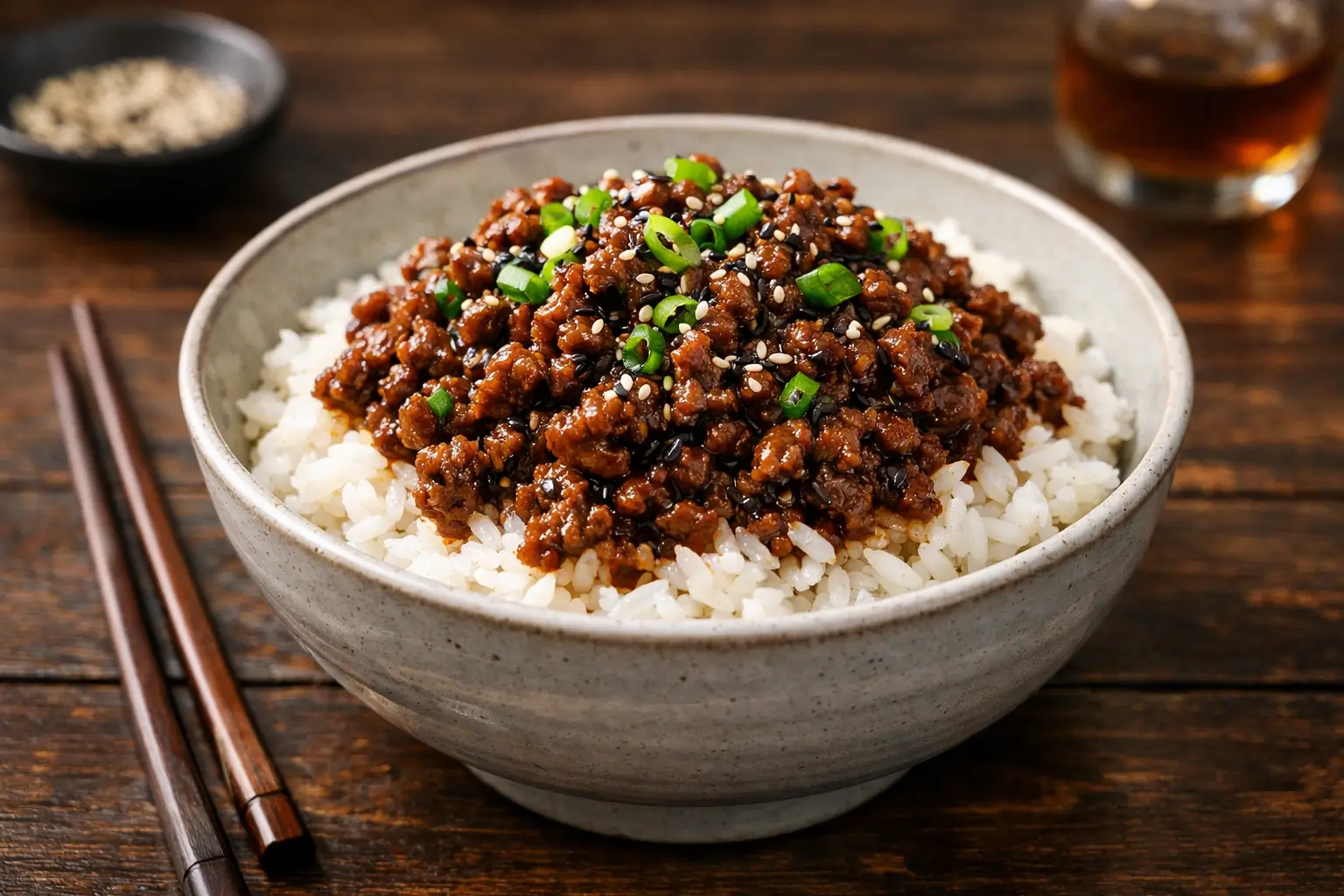
Remove the pan from heat. Taste and adjust seasoning if needed. Serve immediately over steamed rice and top with sliced green onions and sesame seeds. The green onions provide a mild, fresh bite that balances the richness of the beef, while sesame seeds add a subtle crunch.
Nutritional Information
The following values are approximate and based on one serving using lean ground beef (90/10) served without rice.
| Nutrient | Per Serving |
| Calories | 280 kcal |
| Protein | 26 g |
| Total Fat | 16 g |
| Saturated Fat | 5 g |
| Carbohydrates | 8 g |
| Sugar | 5 g |
| Sodium | 620 mg |
| Fiber | 0.5 g |
| Iron | 15% of Daily Value |
Adding one cup of cooked brown rice increases the total meal to approximately 480 calories and adds 4 grams of fiber. If you serve it with a side of steamed broccoli or bok choy, you bring in an additional dose of vitamin C, potassium, and folate, making the meal considerably more nutrient-dense.
Healthier Alternatives for the Recipe
This recipe is already on the lighter end of the spectrum, but there are easy ways to make it even more nutritious without sacrificing the flavors that make Korean beef so irresistible.
- Swap ground beef for ground turkey or chicken: Reduces saturated fat by up to 40 percent while keeping the protein count high.
- Use coconut aminos instead of soy sauce: Naturally lower in sodium and slightly sweeter, making it a smart choice for those managing blood pressure.
- Replace brown sugar with a small amount of ripe mashed banana or grated apple: Adds natural sweetness and a hint of fruit-forward flavor that complements the soy and sesame beautifully.
- Add vegetables directly into the pan: Diced zucchini, shredded cabbage, or frozen edamame bulk out the dish, increase fiber, and reduce the calorie density per serving.
- Serve over cauliflower rice: Cuts the carbohydrate load significantly for those following a low-carb or ketogenic eating pattern.
- Use a plant-based ground meat alternative: Products like lentil-based or soy-based grounds absorb the sauce just as well and create a fully vegan version of this recipe.
Serving Suggestions
The versatility of Korean ground beef is one of its most appealing qualities. Here are several ways to serve it that go well beyond the standard rice bowl:
- Rice bowl with a fried egg on top: The runny yolk acts as a natural sauce and ties the whole dish together. Add a side of kimchi for an authentic Korean dining experience.
- Lettuce wraps: Spoon the beef into butter lettuce or romaine leaves and top with sliced cucumber, shredded carrots, and a drizzle of sriracha mayo.
- Korean beef tacos: Use small corn or flour tortillas, top with the ground beef, a quick slaw made of purple cabbage and lime juice, and a few pickled jalapenos.
- Noodle bowl: Toss the cooked beef with cooked udon or rice noodles, a splash of extra soy sauce, and a handful of bean sprouts.
- Stuffed bell peppers: Fill halved bell peppers with the beef mixture, top with mozzarella, and bake at 375F for 20 minutes for a hearty, low-carb option.
- Meal prep bowls: Divide the beef into four containers with rice, steamed broccoli, and sliced avocado for a week of ready-to-go lunches.
Common Mistakes to Avoid
Even straightforward recipes have places where things can go wrong. Avoiding these mistakes will make a noticeable difference in your final dish.
- Skipping the sauce prep: Mixing the sauce directly in the pan while the beef is cooking leads to uneven coating and clumping. Always mix it in a bowl first.
- Overcrowding the pan: If the pan is too full, the beef steams instead of browning. Cook in two batches if your skillet is smaller than 12 inches.
- Burning the garlic: Garlic goes from golden to bitter in under 30 seconds on high heat. Keep the heat at medium and watch it closely.
- Using regular soy sauce without adjusting: Standard soy sauce is significantly saltier than low-sodium varieties. If you use it, reduce the quantity by about one-third.
- Not tasting before serving: The sauce balance can shift slightly depending on your specific brand of gochujang or soy sauce. A quick taste at the end lets you correct course.
- Skipping the resting step: Letting the dish sit for 1 to 2 minutes off the heat allows the sauce to thicken and the flavors to settle before plating.
Storing Tips for the Recipe
Korean ground beef stores and reheats exceptionally well, which makes it a strong candidate for batch cooking.
- Refrigerator: Store cooled leftovers in an airtight container for up to 4 days. The flavors actually deepen overnight as the meat continues to absorb the sauce.
- Freezer: Transfer to a freezer-safe container or zip-lock bag and freeze for up to 3 months. Lay bags flat for efficient stacking and faster thawing.
- Reheating: Warm in a skillet over medium heat with a splash of water or broth to prevent the sauce from drying out. The microwave works in a pinch, but the skillet method preserves texture better.
- Meal prep tip: Cook a large batch of the beef on Sunday and portion it out with pre-cooked rice for easy weekday meals. Store rice and beef separately to prevent sogginess.
- Ingredient prep: Mince garlic and ginger up to two days ahead and store in the refrigerator in a small covered container. Mix the sauce base and refrigerate it for up to one week.
Conclusion
This Korean ground beef recipe delivers bold, authentic flavor in just 20 minutes using simple, accessible ingredients. The blend of soy sauce, sesame oil, garlic, and a hint of spice creates a dish that is incredibly versatile, nutritious, and truly satisfying.
Whether you are feeding a family on a Tuesday night or meal prepping for the week ahead, this recipe earns a permanent spot in your rotation.
Give it a try and share your experience in the review section below. Did you add your own twist? We would love to hear about it. Leave a comment, rate the recipe, and subscribe to our newsletter for more quick, flavorful recipes delivered straight to your inbox.
Frequently Asked Questions
Can I make this recipe gluten-free?
Yes. Substitute the soy sauce with an equal amount of tamari or coconut aminos. Both provide a similar umami depth without containing gluten. Double-check that your gochujang is also labeled gluten-free, as some brands include wheat in their formulas.
Is this recipe spicy?
The level of heat is fully adjustable. Using one teaspoon of red pepper flakes or gochujang produces a mild-to-medium heat. For a milder version, reduce the amount to half a teaspoon or omit it entirely. For more heat, add a drizzle of sriracha or a pinch of cayenne at the end.
Can I use ground turkey instead of ground beef?
Absolutely. Ground turkey works very well in this recipe and absorbs the sauce in exactly the same way. Use 93 percent lean ground turkey for the best balance of flavor and moisture. Keep in mind that turkey has a slightly more neutral flavor than beef, so you may want to add an extra half teaspoon of sesame oil to compensate.
What is gochujang and where can I find it?
Gochujang is a fermented Korean red pepper paste made from chili powder, glutinous rice, fermented soybeans, and salt. It has a complex flavor that is simultaneously spicy, sweet, and deeply savory. You can find it in most Asian grocery stores, in the international aisle of larger supermarkets, or online. A small tub lasts for months in the refrigerator.
Can I make this recipe ahead of time?
Yes, and it actually improves with time. The beef tastes even better the next day after the sauce has had time to penetrate more deeply into the meat. Cook a full batch, let it cool completely, and refrigerate in an airtight container. Reheat gently in a pan with a small splash of water to loosen the sauce.
What vegetables pair well with Korean ground beef?
Almost any quick-cooking vegetable works beautifully here. Favorites include baby bok choy, snap peas, shredded carrots, sliced mushrooms, spinach, and zucchini. Add them to the pan after draining the beef fat and before adding the sauce, giving them 2 to 3 minutes to soften before combining everything together.