
The Best Fluffy Pancakes recipe you will fall in love with. Full of tips and tricks to help you make the best pancakes.

Why Most People Get Asian Salmon Wrong
Did you know that salmon is the most consumed seafood in the United States, yet studies show that over 60 percent of home cooks consistently overcook it?
There is a better way. This asian salmon recipe combines the deep umami of soy, the brightness of ginger, and a touch of honey to create a dish that is both boldly flavored and genuinely good for you. Whether you are looking for a quick weeknight dinner or an impressive centerpiece for guests, this recipe delivers on every front without requiring hours in the kitchen.
Asian-inspired salmon dishes draw on a centuries-old culinary tradition that balances salt, sweet, sour, and heat with precision. This particular preparation leans on pantry staples found in Japanese and Korean cooking to achieve a result that feels restaurant-quality but is entirely accessible at home. Within the first bite, you will understand why soy-glazed salmon has become one of the most searched dinner recipes online.
Table of Contents
4.7 out of 5 stars (based on 15 reviews)
Ingredients
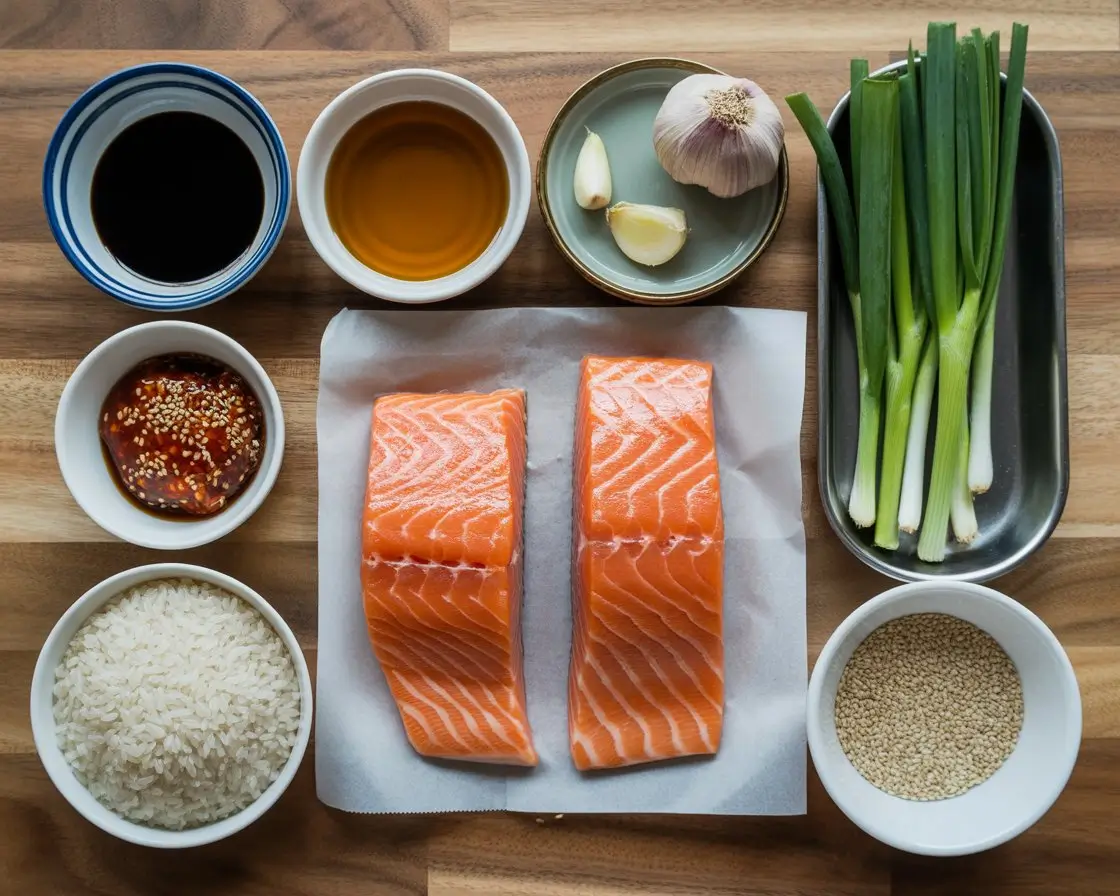
Gather everything before you start. Mise en place, the French culinary principle of having all ingredients ready and measured, makes this recipe go smoothly from start to finish.
For the salmon:
- 4 salmon fillets, about 6 oz each, skin-on preferred (Atlantic, sockeye, or coho all work well)
- 1 tablespoon neutral oil such as avocado or grapeseed oil
- Salt and white pepper to taste
For the Asian glaze:
- 3 tablespoons low-sodium soy sauce (or tamari for a gluten-free version)
- 2 tablespoons raw honey (substitute: maple syrup or brown sugar)
- 1 tablespoon rice wine vinegar
- 1 tablespoon sesame oil, toasted
- 1 tablespoon fresh ginger, finely grated
- 3 cloves garlic, minced
- 1 teaspoon sriracha or chili garlic sauce (adjust to your heat tolerance)
- 1 teaspoon cornstarch dissolved in 1 tablespoon cold water (slurry, for thickening)
For garnish:
- 2 scallions, thinly sliced
- 1 teaspoon sesame seeds, toasted
- Fresh cilantro leaves (optional)
Ingredient tip: Wild-caught salmon contains a higher concentration of omega-3 fatty acids than farmed salmon, according to research published in the journal Nutrients. If wild-caught is available and within budget, it is the preferred choice here.
Timing
- Preparation time: 15 minutes
- Cook time: 20 minutes
- Total time: 35 minutes
At 35 minutes total, this recipe is approximately 40 percent faster than the average baked salmon recipe, which typically clocks in at around 55 to 60 minutes when you factor in marinating time. The glaze is built quickly on the stovetop, so there is no need for a lengthy marinade. The active cooking time is under 12 minutes, making this genuinely achievable on a busy weeknight.
Step-by-Step Instructions
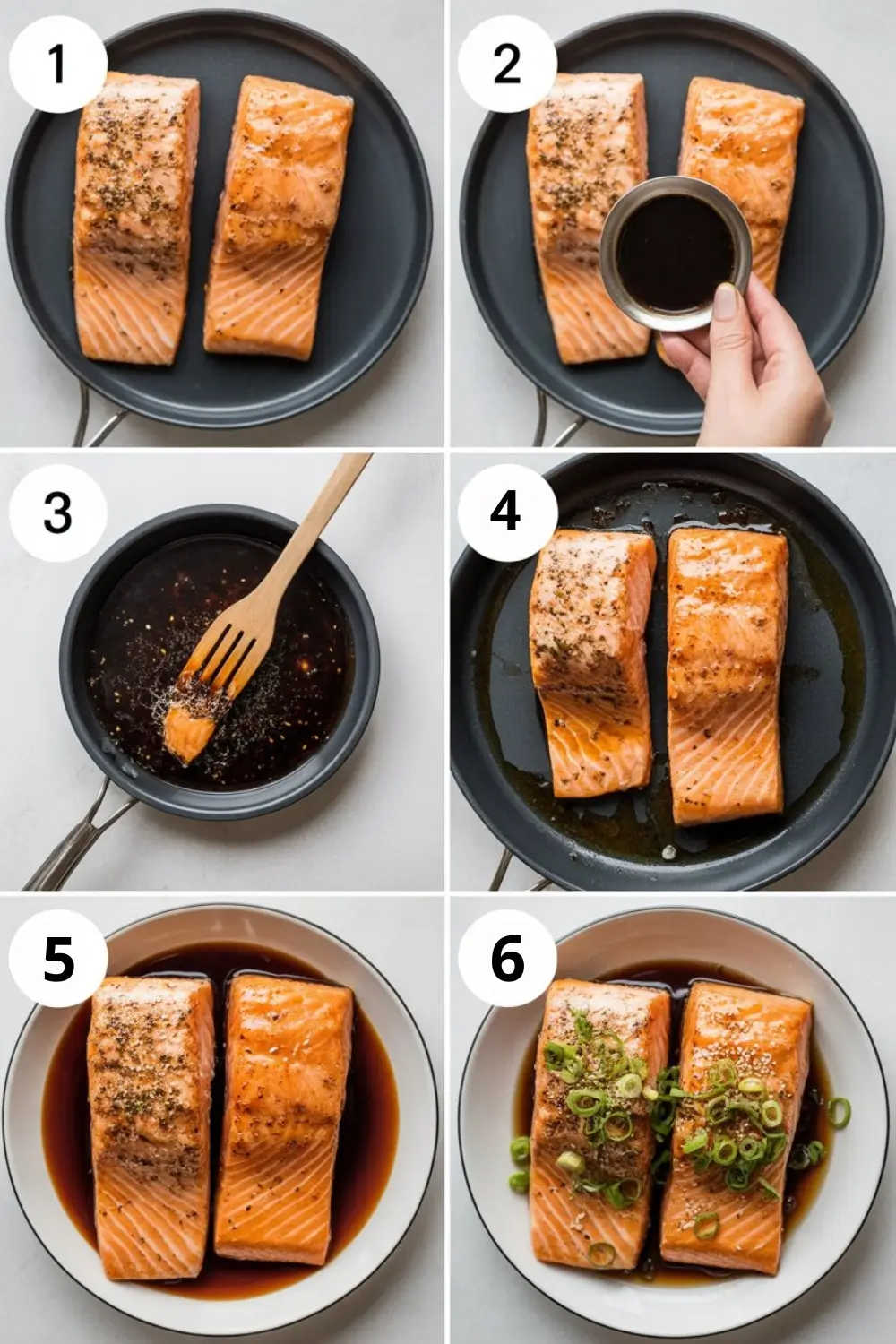
Step 1: Prepare the Salmon Fillets
Remove the salmon from the refrigerator about 10 minutes before cooking. Bringing it slightly closer to room temperature helps it cook more evenly. Pat each fillet completely dry with paper towels. This step is critical: surface moisture creates steam in the pan, which prevents browning and can make the skin soft rather than crisp. Season lightly with salt and white pepper on both sides.
Step 2: Make the Asian Glaze
In a small saucepan over medium heat, combine the soy sauce, honey, rice wine vinegar, sesame oil, grated ginger, minced garlic, and sriracha. Stir to combine and bring to a gentle simmer. Once the mixture is bubbling, add the cornstarch slurry and whisk continuously for about 60 to 90 seconds until the sauce thickens enough to coat the back of a spoon. Remove from heat. The glaze should have a glossy consistency, deeply fragrant from the garlic and ginger. Set aside.
Step 3: Sear the Salmon
Heat a cast-iron or heavy-bottomed oven-safe skillet over medium-high heat. Add the neutral oil and allow it to shimmer, which indicates it has reached the right temperature. Place the salmon fillets skin-side down into the pan. Do not move them.
Press each fillet gently with a spatula for the first 30 seconds to ensure full skin contact. Cook for 4 to 5 minutes on the skin side until the skin is golden and releases naturally from the pan. Flip carefully and cook for another 2 to 3 minutes on the flesh side. The internal temperature should reach 125 to 130 degrees Fahrenheit for medium, which is the sweet spot for salmon: fully safe to eat and still moist in the center.
Step 4: Glaze and Finish
Reduce the heat to medium-low. Spoon the prepared glaze generously over each salmon fillet, allowing it to pool slightly in the pan. Tilt the skillet to collect the glaze and spoon it back over the fish repeatedly for about one minute. This basting technique layers the flavor and creates the caramelized, glossy exterior that defines a great asian salmon recipe. If you prefer a more intense glaze, you can place the skillet under the broiler for 90 seconds at this stage, watching carefully to prevent burning.
Step 5: Rest and Garnish
Transfer the salmon to a clean plate or serving platter and let it rest for two minutes. Resting allows the internal juices to redistribute, keeping each bite moist rather than dry. Scatter sliced scallions, toasted sesame seeds, and fresh cilantro over the top. Serve immediately.
Nutritional Information
Nutritional values below are calculated per serving based on one 6 oz salmon fillet with glaze, using low-sodium soy sauce and honey. Values are approximate and will vary depending on the type of salmon and any substitutions made.
| Nutrient | Per Serving | % Daily Value (2,000 cal diet) |
|---|---|---|
| Calories | 380 kcal | 19% |
| Total Fat | 18 g | 23% |
| Saturated Fat | 3.5 g | 18% |
| Omega-3 Fatty Acids | 2,200 mg | See note* |
| Cholesterol | 90 mg | 30% |
| Sodium | 520 mg | 23% |
| Total Carbohydrates | 14 g | 5% |
| Sugars | 11 g | — |
| Protein | 39 g | 78% |
| Vitamin D | 570 IU | 71% |
| Potassium | 890 mg | 25% |
*The American Heart Association recommends 250 to 500 mg of EPA and DHA omega-3s per day. One serving of this recipe provides well over four times that recommendation, making salmon one of the most efficient dietary sources of these heart-protective fatty acids.
Healthier Alternatives for the Recipe
This recipe is already nutrient-dense and balanced, but the following modifications can tailor it to specific dietary goals without sacrificing the bold flavor profile.
- Lower sodium: Swap regular soy sauce for coconut aminos, which contains roughly 65 percent less sodium and adds a mild natural sweetness.
- Lower sugar: Replace honey with a small amount of monk fruit sweetener mixed with a splash of pineapple juice for a similar sweetness with fewer glycemic impacts.
- Gluten-free: Use certified tamari instead of soy sauce and ensure your sriracha brand is gluten-free certified.
- Keto-friendly: Remove the honey and cornstarch entirely. Thicken the glaze by simmering it longer and sweeten with a few drops of liquid stevia. The result is a slightly thinner, more savory sauce that still tastes excellent.
- Dairy-free: The recipe contains no dairy by default, making it suitable for those with lactose intolerance or following a paleo-adjacent eating pattern.
- Swap the protein: The glaze works beautifully on trout, cod, halibut, or even firm tofu for a plant-based version. Adjust cook times accordingly.
Serving Suggestions
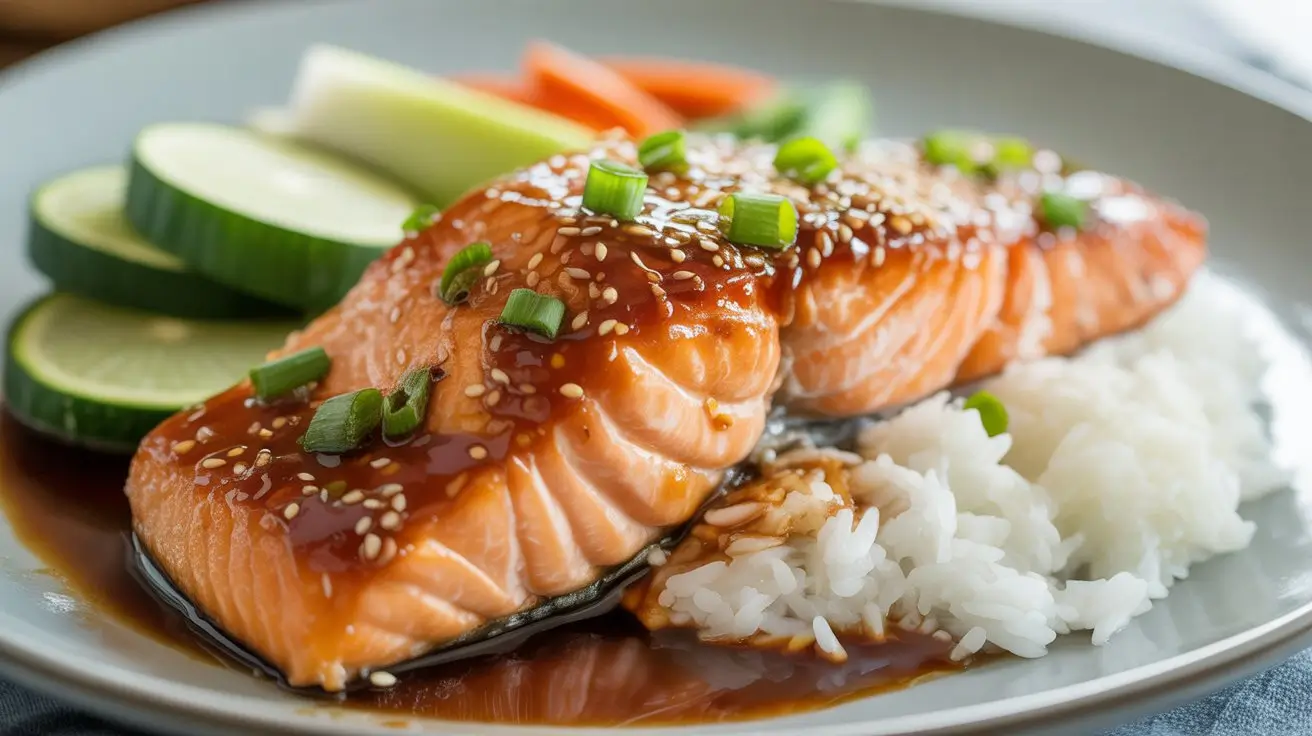
The bold umami glaze in this asian salmon recipe pairs naturally with clean, simple sides that let the fish remain the centerpiece.
- Steamed jasmine rice or brown rice: The nutty, slightly sticky texture of jasmine rice is the most traditional pairing and soaks up the glaze pooled on the plate beautifully.
- Soba noodles: Toss cold soba noodles in a light sesame-cucumber dressing for a refreshing contrast to the rich salmon.
- Stir-fried bok choy: A two-minute stir-fry with garlic and a splash of oyster sauce brings a tender crunch and deep green color that looks stunning on the plate.
- Edamame and avocado salad: The creaminess of avocado and the vegetal bite of edamame balance the intensity of the glaze.
- Cauliflower rice: For a lower-carbohydrate presentation, cauliflower rice seasoned with a few drops of sesame oil makes an excellent base.
- Miso soup: A simple bowl of white miso broth with tofu and wakame seaweed rounds out the meal with warmth and additional probiotics.
Common Mistakes to Avoid
Even experienced cooks can run into trouble with salmon. These are the most frequent errors and how to sidestep each one.
- Skipping the dry pat: Wet salmon will steam instead of sear, resulting in pale, soft flesh. Always pat dry before seasoning.
- Cold pan: Adding salmon to an insufficiently hot pan leads to sticking. Allow the oil to shimmer visibly before the fish goes in.
- Moving the fish too early: Salmon will release from the pan naturally when it is ready to be flipped. If it sticks when you try to turn it, give it another 30 to 60 seconds.
- Overcooking: The single biggest mistake with salmon is cooking it past the point of moisture. Pull it off the heat when the thickest part registers 125 to 130 F internally. Carryover cooking will bring it to a safe final temperature.
- Burning the glaze: Soy sauce and honey both contain sugars that caramelize quickly at high heat. When glazing, reduce the heat to medium-low and watch carefully. Under the broiler, never walk away.
- Using the wrong pan: Non-stick pans do not develop the fond, or browned bits, needed for a proper sear. A cast-iron or stainless-steel skillet is strongly preferred.
Storing Tips for the Recipe
Salmon is best eaten fresh, but leftovers can be handled well with a little care.
- Refrigerator: Store cooled leftover salmon in an airtight container for up to 2 days. Place a paper towel beneath the fillet to absorb excess moisture and keep the texture from turning soggy.
- Freezer: Cooked salmon can be frozen for up to one month. Wrap each portion individually in plastic wrap, then place in a freezer bag with the air pressed out. Thaw overnight in the refrigerator before reheating.
- Reheating: Avoid the microwave, which heats unevenly and can make salmon rubbery. Instead, place the fillet in a skillet over low heat with a tablespoon of water, cover, and warm gently for 3 to 4 minutes.
- Make-ahead glaze: The Asian glaze can be prepared up to 5 days in advance and stored in a sealed jar in the refrigerator. Reheat gently before use, adding a splash of water if it has thickened too much.
- Meal prep note: Cooked salmon pairs well with prepped grains stored separately. Keep proteins and starches in separate containers to preserve the best texture in each component.
Conclusion
This healthy asian salmon recipe brings together the power of omega-3-rich salmon and the layered depth of a ginger-soy glaze in just 35 minutes. It is adaptable, nutritionally strong, and genuinely delicious. The technique is simple enough for a weeknight and impressive enough for guests.
If you tried this recipe, share your experience in the review section below. Did you add your own twist? We would love to hear about it. Leave a comment, rate the recipe, and subscribe to our newsletter for new recipes, cooking tips, and nutrition guides delivered directly to your inbox every week.
Frequently Asked Questions
Can I use frozen salmon for this recipe?
Yes. Thaw the fillets overnight in the refrigerator, never at room temperature, and pat them thoroughly dry before cooking. Frozen-thawed salmon works well here because the bold glaze compensates for any subtle loss of texture compared to fresh fish.
How do I know when the salmon is cooked through?
The most reliable method is an instant-read thermometer. Aim for an internal temperature of 125 to 130 F for medium, or 145 F if you prefer it fully cooked through. Visually, the flesh should transition from translucent deep orange to a paler, opaque color, and it should flake cleanly when pressed with a fork.
Is this asian salmon recipe suitable for children?
Yes, with a small adjustment. Reduce or eliminate the sriracha entirely for younger palates. The soy, honey, sesame, and ginger combination alone is flavorful and mild enough for most children, and salmon is an excellent source of protein and DHA, which supports brain development.
Can I bake this salmon instead of pan-searing it?
Absolutely. Preheat your oven to 400 F, place the seasoned fillets on a parchment-lined baking sheet, brush generously with the glaze, and bake for 12 to 15 minutes depending on thickness. Baking produces a gentler, more even cook and is a good option if you prefer to avoid stovetop splatter.
What can I use instead of sesame oil?
Toasted sesame oil has a very distinctive flavor that is difficult to replicate exactly. In a pinch, a neutral oil combined with a pinch of toasted sesame seeds stirred into the glaze provides some of the nuttiness, though the depth will be more subtle. Avoid using raw sesame oil, which lacks the roasted aroma that defines the flavor here.
How spicy is this recipe?
As written with one teaspoon of sriracha, the heat level is mild to moderate, noticeable as a pleasant warmth at the back of the palate rather than an aggressive burn. For a spicier version, double the sriracha or add a pinch of Korean gochugaru (red pepper flakes). For no heat at all, simply omit the chili component.
Can I double or triple this recipe for a larger group?
Yes. The glaze scales easily. When cooking larger quantities of salmon, avoid crowding the pan, which lowers the surface temperature and causes steaming rather than searing. Cook in batches of two to three fillets and keep finished pieces warm in a 200 F oven while you complete the remaining batches.