The Best Fluffy Pancakes recipe you will fall in love with. Full of tips and tricks to help you make the best pancakes.

21 Juicy Chicken Breast Recipes That Are Never Dry
Chicken breast has earned an unfair reputation as the boring, dry protein option that everyone tolerates but few truly enjoy. The truth is, chicken breast can be incredibly juicy, flavorful, and satisfying when you understand the science behind moisture retention and apply the right techniques. Whether you’re meal prepping for the week or cooking a special dinner, mastering chicken breast recipes means understanding why this lean protein dries out so easily and learning the specific methods that guarantee succulent results every time.
The key to exceptional chicken breast isn’t about finding magical ingredients or exotic cooking methods. It’s about understanding how heat affects protein, how marinades penetrate muscle fibers, and why timing matters more than you might think. In this comprehensive guide, we’ll explore 21 different approaches to cooking chicken breast, each designed to maximize juiciness while delivering bold flavors that will make this versatile protein your go-to choice for any meal.
Table of Contents
How to Keep Chicken Breast Juicy
The fundamental challenge with chicken breast lies in its lean composition. With minimal intramuscular fat, there’s little buffer between perfect doneness and overcooked dryness. Understanding the science of moisture retention is your first step toward consistently juicy results.
Brining is your secret weapon. This technique involves soaking chicken in a saltwater solution before cooking. The salt in the brine dissolves some muscle proteins, allowing the meat to absorb and retain more moisture during cooking. A basic brine consists of 1/4 cup salt dissolved in 4 cups of cold water.
Submerge your chicken breasts for 30 minutes to 2 hours, depending on thickness. The science behind brining is fascinating—salt changes the protein structure in a way that helps the meat hold onto moisture even when exposed to high heat, as explained in detail at https://www.exploratorium.edu/cooking/meat/activity-brining.html.
Pounding to even thickness matters more than you think. Chicken breasts naturally have a thick end and a thin end. When you cook an unevenly shaped breast, the thin portion overcooks while waiting for the thick portion to reach safe temperature. Place your chicken between plastic wrap or in a zip-top bag and use a meat mallet to pound it to uniform thickness—about 3/4 inch throughout. This simple step ensures even cooking and dramatically reduces dry spots.
Don’t skip the rest period. Just like steak, chicken breast needs to rest after cooking. When heat drives moisture toward the center of the meat, resting for 5-10 minutes allows those juices to redistribute throughout. Cutting immediately causes all those precious juices to spill onto your cutting board instead of staying in the meat where they belong.
Temperature control is non-negotiable. Invest in an instant-read meat thermometer and use it religiously. Chicken is safely cooked at 165°F, but removing it from heat at 160°F and allowing carryover cooking during the rest period gives you the juiciest results without sacrificing safety. According to the USDA guidelines at https://www.fsis.usda.gov/food-safety/safe-food-handling-and-preparation/poultry-and-egg-safety/chicken-farm-table, proper temperature is essential for food safety while maintaining quality.
Best Marinades for Chicken Breast
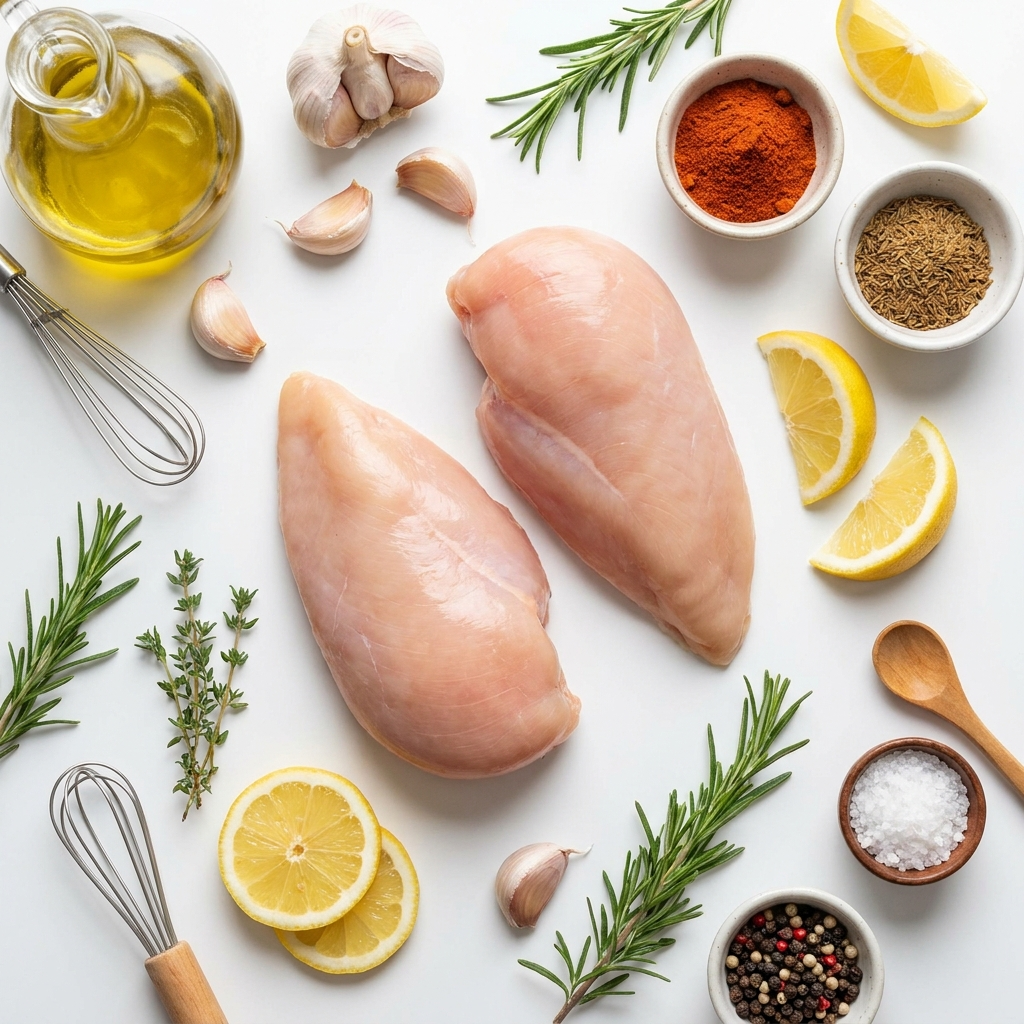
Marinades serve double duty: they infuse flavor and help maintain moisture. The most effective marinades contain three components: acid, fat, and seasonings. Understanding how each element works helps you create custom combinations that suit any cuisine or flavor profile.
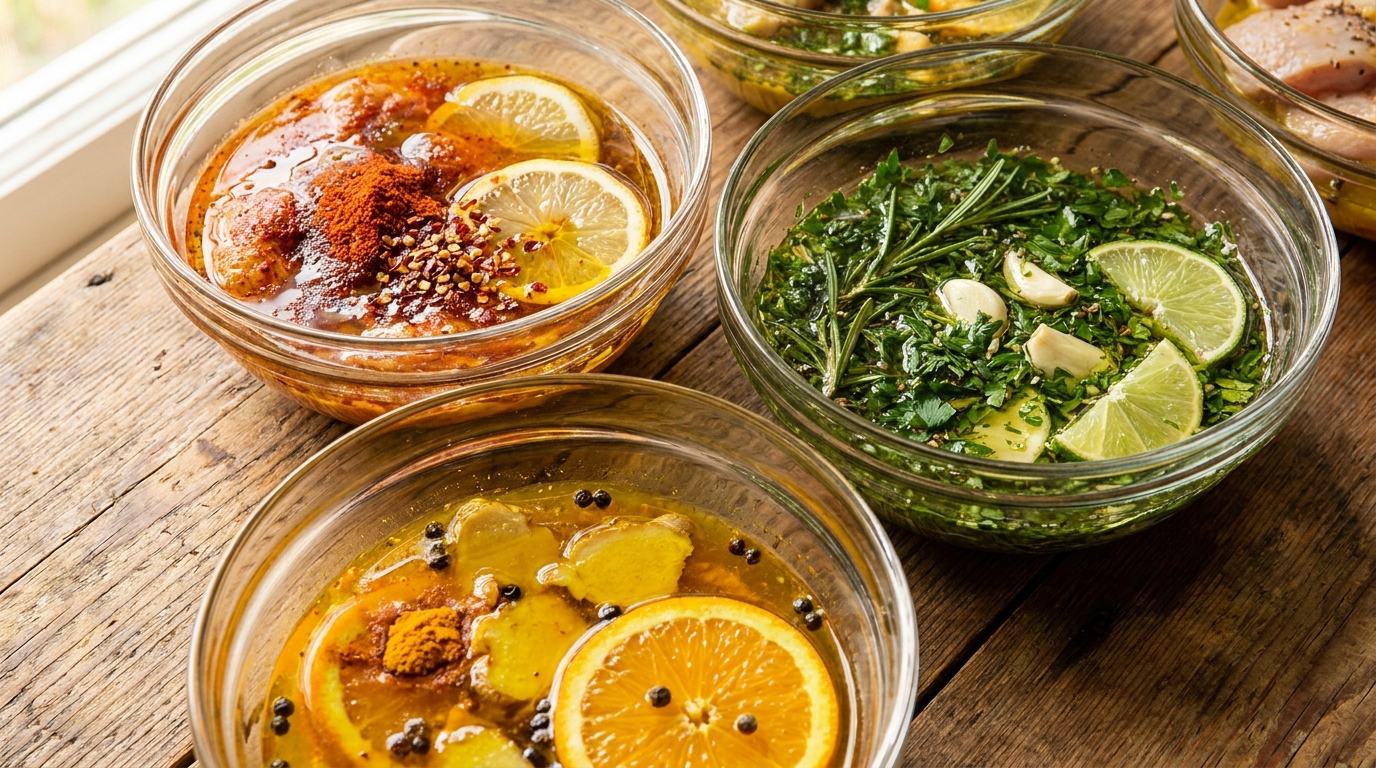
Classic Lemon Herb Marinade combines 1/4 cup olive oil, 3 tablespoons lemon juice, 4 minced garlic cloves, 2 tablespoons fresh herbs (rosemary, thyme, or oregano), salt, and black pepper. The acid from the lemon gently tenderizes the surface, while the oil creates a protective barrier against heat. For a more indulgent chicken dinner, this Blackened Chicken Alfredo recipe combines juicy chicken with a rich, creamy sauce.
Asian-Inspired Ginger Soy Marinade delivers umami depth with 1/3 cup soy sauce, 2 tablespoons honey, 2 tablespoons rice vinegar, 1 tablespoon sesame oil, 2 tablespoons grated fresh ginger, and 3 minced garlic cloves. The combination of sweet and savory penetrates deeply, and the lower acidity means you can marinate longer without the texture becoming mushy.
Yogurt-Based Tandoori Marinade uses 1 cup plain yogurt, 2 tablespoons lemon juice, 2 tablespoons tandoori spice blend, 1 tablespoon grated ginger, and 4 minced garlic cloves. Yogurt’s lactic acid is gentler than vinegar or citrus, and its thick consistency clings beautifully to the meat, creating an almost protective coating that keeps moisture locked inside during cooking.
Buttermilk Ranch Marinade combines 1 cup buttermilk, 2 tablespoons ranch seasoning mix, 2 minced garlic cloves, and black pepper. The enzymes in buttermilk tenderize exceptionally well, making this perfect for grilling or frying applications.
Balsamic Herb Marinade features 1/3 cup balsamic vinegar, 1/4 cup olive oil, 2 tablespoons Dijon mustard, 2 tablespoons honey, fresh basil, and oregano. The mustard acts as an emulsifier while adding tangy complexity.
Pan-Seared Chicken Breast Ideas
Pan-searing creates a gorgeous caramelized crust while keeping the interior juicy. The technique requires high heat, a good-quality pan, and confidence to leave the chicken undisturbed while it develops that golden exterior.
Basic Pan-Seared Technique: Pat chicken completely dry, season generously with salt and pepper, and heat 2 tablespoons oil in a heavy skillet over medium-high heat until shimmering. Place chicken smooth-side down and don’t touch it for 5-6 minutes. Flip once and cook another 5-6 minutes until the internal temperature reaches 160°F.
Garlic Butter Pan-Seared Chicken elevates the basic technique by adding 4 tablespoons butter, 6 crushed garlic cloves, and fresh thyme to the pan after flipping. Tilt the pan and baste the chicken repeatedly with the aromatic butter for the last 2 minutes of cooking.
Mushroom Cream Sauce Variation removes the cooked chicken from the pan, then sautés 8 ounces sliced mushrooms in the remaining fond. Add 1/2 cup white wine to deglaze, then stir in 1 cup heavy cream and simmer until thickened. Return chicken to the sauce to serve.
Cajun Pan-Seared Chicken coats the chicken in a spice blend of paprika, garlic powder, onion powder, cayenne, oregano, and thyme before searing. The spices form a flavorful crust that pairs perfectly with rice or pasta.
Lemon Caper Pan Sauce deglazes the pan with 1/2 cup chicken stock and 1/4 cup lemon juice after cooking the chicken, then adds 2 tablespoons butter and 2 tablespoons capers for a bright, briny sauce that complements the rich seared meat.
Oven-Baked Chicken Breast Recipes
Baking chicken breast offers convenience and consistency, especially when cooking multiple pieces. The key is starting with a hot oven and using techniques that create protective barriers against drying heat.
High-Heat Roasting Method preheats the oven to 450°F. Coat chicken with olive oil, season well, and roast for 15-18 minutes until the internal temperature reaches 160°F. The high heat creates rapid surface browning, which seals in moisture while the quick cooking time prevents the interior from drying out.
Parmesan-Crusted Baked Chicken combines 1 cup breadcrumbs, 1/2 cup grated Parmesan, Italian herbs, and garlic powder. Brush chicken with Dijon mustard, press into the crumb mixture, and bake at 400°F for 20-25 minutes. The crust insulates the chicken while adding incredible texture and flavor.
Honey Mustard Baked Chicken whisks together 1/3 cup honey, 1/3 cup Dijon mustard, 2 tablespoons olive oil, and minced garlic. Pour over chicken in a baking dish and bake at 375°F for 25-30 minutes, basting occasionally with the pan sauce.
Caprese Stuffed Chicken butterflies thick chicken breasts and fills them with fresh mozzarella, tomato slices, and basil leaves. Secure with toothpicks, season the outside, and bake at 400°F for 25-30 minutes. The cheese melts into pockets of gooey deliciousness while keeping the chicken moist.
Mediterranean Sheet Pan Chicken surrounds chicken breasts with cherry tomatoes, olives, red onion, and bell peppers. Drizzle everything with olive oil and oregano, then roast at 425°F for 20-25 minutes. The vegetables release moisture that steams the chicken while their flavors meld together beautifully.
Healthy Chicken Breast Meals
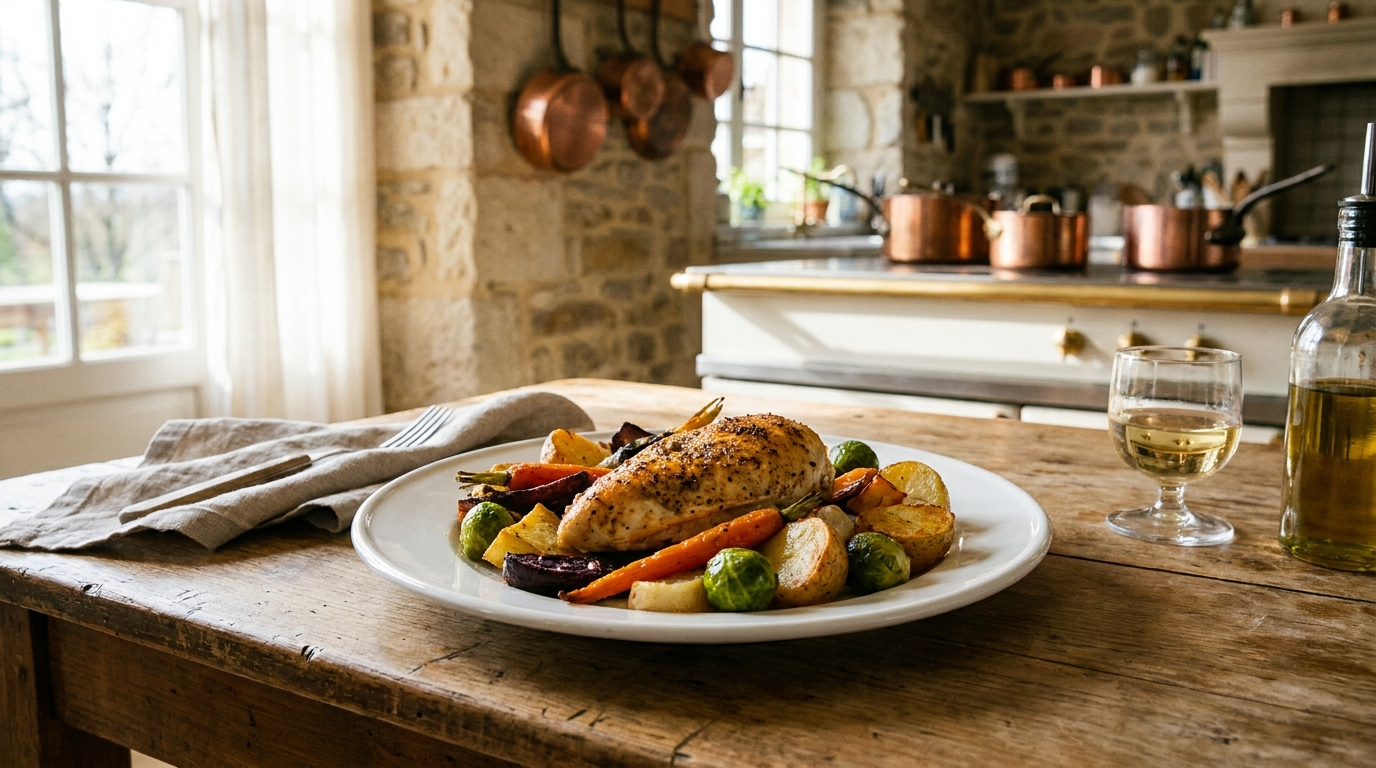
Chicken breast’s lean profile makes it perfect for health-conscious eating, but “healthy” doesn’t mean sacrificing flavor or satisfaction. These recipes prove you can hit your nutritional goals while enjoying incredibly tasty meals.
Grilled Chicken with Quinoa and Roasted Vegetables pairs simple grilled chicken (marinated in lemon juice, olive oil, and herbs) with fluffy quinoa and a medley of roasted zucchini, bell peppers, and red onion. This balanced meal delivers complete protein, complex carbohydrates, and fiber-rich vegetables with tasty shredded chicken recipe as inspiration for additional sides.
Chicken Burrito Bowls layer cilantro-lime cauliflower rice with seasoned chicken breast (rubbed with cumin, chili powder, and garlic), black beans, pico de gallo, corn, and a dollop of Greek yogurt instead of sour cream. All the flavor of restaurant-style burritos with significantly fewer calories and carbs.
Thai Basil Chicken Lettuce Wraps stir-fries diced chicken breast with garlic, Thai basil, fish sauce, lime juice, and a touch of coconut sugar. Serve in crisp lettuce cups with julienned carrots and cucumbers for a light, refreshing meal packed with bold flavors.
Chicken and Vegetable Stir-Fry uses minimal oil and maximum vegetables—broccoli, snap peas, bell peppers, and mushrooms—with thinly sliced chicken breast in a sauce made from low-sodium soy sauce, ginger, garlic, and a cornstarch slurry. Serve over cauliflower rice for a low-carb option.
Pesto Chicken with Zoodles tosses spiralized zucchini noodles with grilled chicken strips and homemade basil pesto. Light yet satisfying, this dish delivers healthy fats from pine nuts and olive oil while keeping calories in check.
Greek Chicken Salad tops mixed greens with sliced grilled chicken, cucumber, cherry tomatoes, red onion, Kalamata olives, and crumbled feta. Dress with a simple red wine vinaigrette made from vinegar, olive oil, oregano, and Dijon mustard.
Common Mistakes to Avoid
Even experienced cooks fall into these traps that guarantee dry, disappointing chicken. Awareness of these pitfalls helps you troubleshoot when things don’t go as planned.
Starting with cold chicken is one of the most frequent errors. Meat taken straight from the refrigerator to the heat source cooks unevenly—the exterior overcooks before the center reaches safe temperature. Always let chicken sit at room temperature for 15-20 minutes before cooking.
Using inadequate heat prevents proper browning and extends cooking time, which dries out the meat. Whether pan-searing or grilling, you need sufficient heat to create that flavorful crust quickly while the interior remains juicy.
Cooking by time instead of temperature ignores the reality that chicken breasts vary dramatically in size and thickness. A timer is useful, but your thermometer tells the truth. Two breasts might look similar but require different cooking times based on density and starting temperature.
Cutting into chicken to check doneness releases all those carefully retained juices. Use your thermometer instead. If you must cut, do it once near the end and immediately remove from heat if it’s done.
Over-marinating with acidic ingredients can make the texture mealy and unpleasant. Limit highly acidic marinades (lots of citrus juice or vinegar) to 2-4 hours. Oil-based or yogurt-based marinades can go longer, up to 24 hours, without negative effects.
Skipping the pound-to-even-thickness step has already been mentioned, but it bears repeating because it’s so crucial. This five-minute task prevents more dry chicken disasters than any other single technique.
Using old, freezer-burned chicken starts you at a disadvantage. Freezer burn draws moisture out of the meat before you even begin cooking. Use properly stored chicken within 3-4 months of freezing for best results, and always look for Spicy Chipotle Chicken recipe when shopping for quality ingredients.
Frequently Asked Questions
How do I know when chicken breast is fully cooked without overcooking it?
The only reliable method is using an instant-read meat thermometer inserted into the thickest part of the breast. When it reads 160°F, remove the chicken from heat immediately. The temperature will rise to 165°F during the 5-10 minute rest period, giving you perfectly cooked, safe chicken without the dry texture that comes from cooking to 165°F on the heat source. The meat should feel firm but still have some give when pressed, and juices should run clear, but only the thermometer provides accurate, consistent results.
What is the best internal temperature for cooked chicken breast?
While 165°F is the USDA-recommended safe temperature, removing chicken from the heat source at 160°F and allowing it to rest gives you the juiciest results. The carryover cooking during the rest period brings the temperature up to 165°F, ensuring food safety while preventing the dry, stringy texture that occurs when chicken breast cooks beyond this point.
For sous vide cooking, you can safely pasteurize chicken at lower temperatures (like 145°F) if held at that temperature for sufficient time, but conventional cooking methods should aim for the 160-165°F range.
Can I freeze marinated chicken breast?
Absolutely! Freezing marinated chicken is actually a fantastic meal-prep strategy. Place raw chicken breasts in zip-top freezer bags, add your marinade, squeeze out excess air, and freeze flat for easy storage. The freezing process helps break down muscle fibers slightly, which can actually enhance tenderness. When you’re ready to cook, thaw in the refrigerator overnight.
The chicken will have marinated during the thawing process, saving time and infusing flavor deeply. This works beautifully for up to 3 months. Just be sure to label bags with the date and marinade type.
How long should I marinate chicken breast for maximum flavor and juiciness?
The ideal marinating time depends on your marinade’s composition. For highly acidic marinades (heavy on citrus juice, vinegar, or wine), 30 minutes to 2 hours is sufficient—longer can make the texture mushy. For oil-based marinades with minimal acid, 2-4 hours develops great flavor. Yogurt or buttermilk-based marinades are gentlest and can go 4-24 hours for maximum tenderness.
As a general rule, 2-4 hours hits the sweet spot for most marinades, providing excellent flavor penetration and moisture enhancement without risking texture degradation. If you’re short on time, even 15-30 minutes helps, especially if you’ve pounded the chicken thin to increase surface area.
Are there any quick tips for making plain chicken breast more flavorful?
Several quick techniques add flavor without lengthy marinating. First, season generously with salt at least 15 minutes before cooking—this dry-brine effect enhances both flavor and juiciness. Second, create a spice rub with whatever seasonings you have (garlic powder, paprika, cumin, Italian herbs) and coat the chicken just before cooking.
Third, baste with flavored butter, garlic oil, or pan drippings during the last few minutes of cooking. Fourth, finish with a quick pan sauce by deglazing with wine, stock, or citrus juice and adding butter or cream. Finally, consider compound butter—butter mixed with herbs, garlic, or spices—placed on top of hot cooked chicken melts into an instant sauce. These techniques take 5 minutes or less but deliver restaurant-quality flavor.
Conclusion
Mastering chicken breast recipes isn’t about memorizing complicated techniques or exotic ingredients—it’s about understanding the fundamental principles that keep this lean protein juicy and flavorful. By focusing on moisture retention through brining, even thickness, proper temperature control, and adequate resting time, you’ve equipped yourself with the knowledge to cook perfect chicken breast every single time.
The 21 approaches we’ve explored span multiple cooking methods, flavor profiles, and dietary preferences, but they all share common ground: respect for the protein, attention to technique, and commitment to not overcooking. Whether you’re pan-searing with garlic butter, baking with a Parmesan crust, or grilling with a zesty marinade, these principles remain constant.
Chicken breast will never be boring again. With these techniques in your culinary arsenal, you can transform this affordable, versatile protein into restaurant-quality meals that your family and friends will request again and again. The key lies not in following recipes blindly but in understanding why each step matters and how it contributes to that perfect bite—juicy, tender, and bursting with flavor.