The Best Fluffy Pancakes recipe you will fall in love with. Full of tips and tricks to help you make the best pancakes.

16 Salmon Pasta Recipes for Creamy and Elegant Meals
Did you know that salmon consumption has increased by over 300 percent in the past three decades, making it one of the most popular fish choices worldwide? Yet many home cooks struggle to incorporate this nutritious fish into their weeknight dinners beyond basic grilling or baking. Enter salmon pasta recipes, a culinary solution that transforms ordinary meals into restaurant-quality dishes without requiring advanced cooking skills or hours in the kitchen. Whether you are looking for indulgent creamy combinations or lighter, vegetable-forward preparations, salmon pasta offers remarkable versatility that challenges the notion that healthy eating grilled salmon recipes must be bland or boring.
The rich omega-3 fatty acids in salmon pair beautifully with pasta’s comforting texture, creating satisfying meals that nourish both body and soul. From quick 20-minute weeknight dinners to impressive dishes for entertaining guests, these 16 salmon pasta variations will revolutionize how you think about combining seafood with your favorite noodles. Each recipe balances ease of preparation with sophisticated flavors, proving that elegant dining does not require culinary school training or exotic ingredients.
Table of Contents
Ingredients
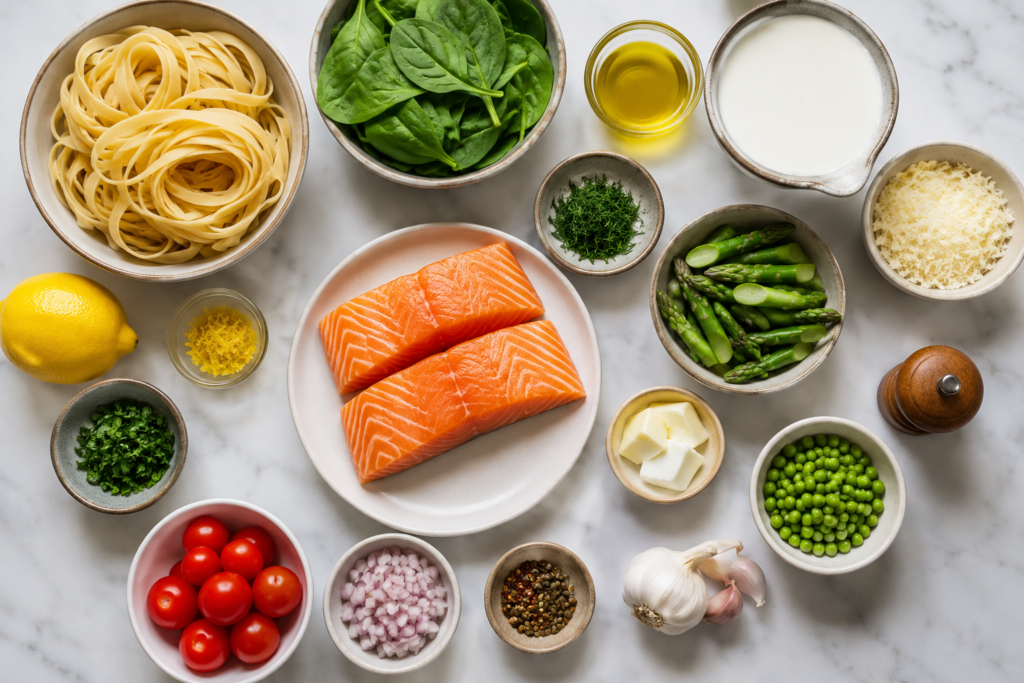
The foundation of exceptional salmon pasta dishes begins with quality ingredients that work harmoniously together. Here is a comprehensive list covering the core components and variations across the 16 recipes:
Protein:
- Fresh salmon fillets, 1 to 1.5 pounds, skin removed, preferably wild-caught for deeper flavor and firm texture
- Smoked salmon, 8 ounces, thinly sliced for quick preparations
- Canned salmon, 14 ounces, as a budget-friendly alternative with comparable nutrition
Pasta:
- Fettuccine, linguine, or penne, 12 to 16 ounces, with their broad surfaces perfect for catching creamy sauces
- Whole wheat pasta for added fiber and nuttier taste
- Gluten-free pasta made from rice or chickpeas for dietary restrictions
Creamy Components:
- Heavy cream, 1 to 2 cups, providing luxurious richness and velvety mouthfeel
- Cream cheese, 4 to 8 ounces, adding tangy depth
- Greek yogurt or sour cream, 1 cup, for lighter yet still creamy alternatives
- Coconut cream for dairy-free versions with subtle sweetness
Aromatics and Seasonings:
- Fresh garlic, 4 to 6 cloves minced, releasing pungent aromatic oils when sautéed
- Shallots or yellow onions, 1 medium, finely diced for sweet undertones
- Fresh dill, parsley, or basil, 1/4 to 1/2 cup chopped, brightening each bite
- Lemon juice and zest, from 1 to 2 lemons, cutting through richness with citrus vibrancy
- Capers, 2 tablespoons, providing briny pops of flavor
- Salt, black pepper, and red pepper flakes to taste
Vegetables:
- Baby spinach, 2 to 3 cups, wilting into silky ribbons
- Cherry tomatoes, 1 pint, bursting with sweet acidity when roasted
- Asparagus, 1 bunch trimmed, offering crisp texture and earthy notes
- Zucchini, 2 medium, sliced into half-moons
- Bell peppers, 1 to 2, adding color and mild sweetness
- Peas, 1 cup fresh or frozen, contributing gentle sweetness
Liquid Components:
- White wine, 1/2 cup, deglazing pans and adding sophisticated depth
- Chicken or vegetable broth, 1 to 2 cups, building savory foundation
- Pasta cooking water, reserved 1 cup, containing starches that bind sauces
Additional Flavor Enhancers:
- Parmesan cheese, 1/2 to 1 cup freshly grated, adding umami saltiness
- Butter, 2 to 4 tablespoons, enriching sauces with glossy finish
- Olive oil, 2 to 3 tablespoons, for sautéing and drizzling
- Dijon mustard, 1 tablespoon, providing subtle heat and emulsifying properties
Substitution Notes:
Swap heavy cream with half-and-half or milk thickened with a tablespoon of flour for lighter results. Replace fresh salmon with quality canned or jarred options when budget or availability is limited. Use dried herbs at one-third the amount if fresh versions are unavailable. Substitute white wine with additional broth plus a splash of white wine vinegar for alcohol-free preparations.
Timing
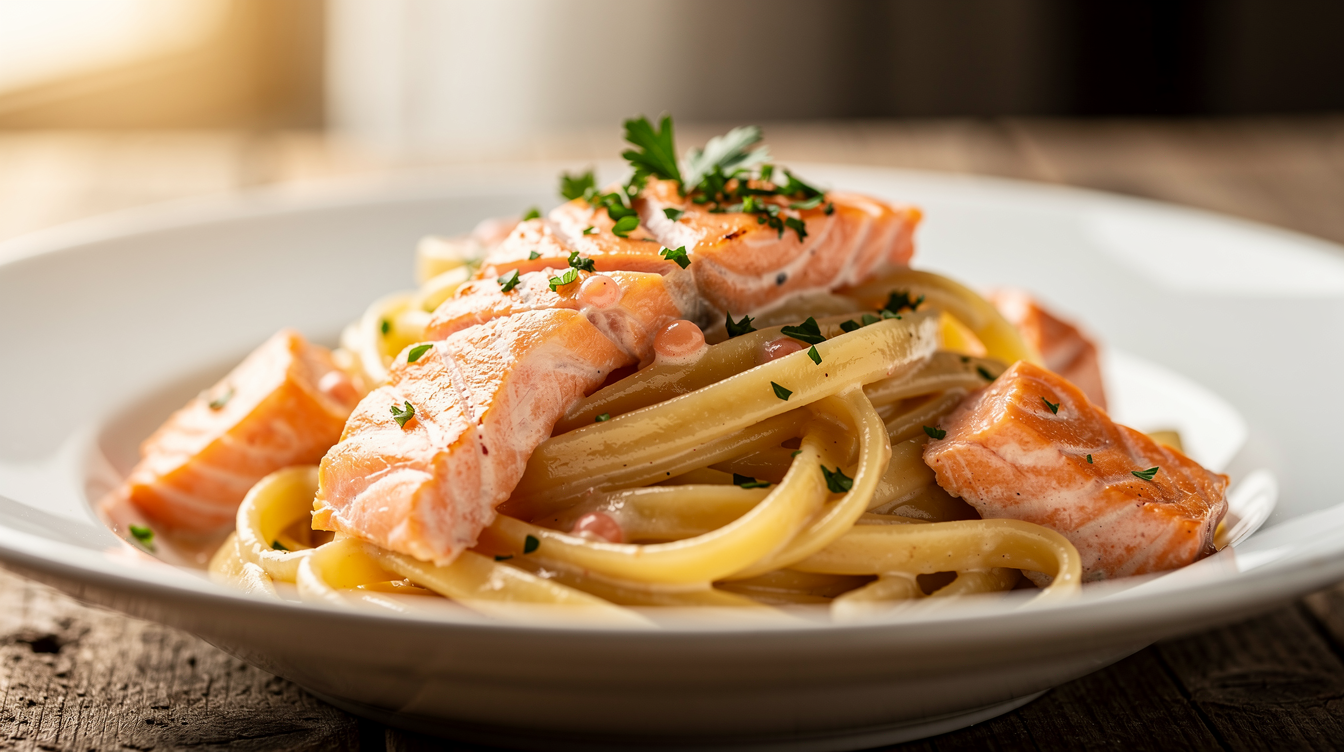
Understanding the time commitment for salmon pasta recipes helps with meal planning and managing expectations. Most variations fall within accessible timeframes that accommodate busy schedules.
Preparation Time: 10 to 15 minutes
This includes washing and chopping vegetables, mincing garlic, measuring ingredients, and cutting salmon into appropriate portions. Organize your workspace with all ingredients prepped before heating any pans, a technique professional chefs call mise en place that dramatically streamlines the cooking process.
Cooking Time: 15 to 25 minutes
Pasta typically requires 8 to 12 minutes to reach al dente texture according to package directions. Simultaneously, salmon cooks in 4 to 6 minutes per side when pan-seared, or 12 to 15 minutes when baked at 400 degrees Fahrenheit. Sauce preparation adds another 5 to 8 minutes for reduction and flavor melding.
Total Time: 25 to 40 minutes
From start to plated dish, expect most salmon pasta recipes to take roughly 30 minutes, comparable to ordering takeout but significantly more nutritious and cost-effective. More elaborate versions incorporating roasted vegetables or homemade pasta may extend to 50 minutes, while ultra-quick smoked salmon variations can be table-ready in just 20 minutes.
Context Comparison:
These timings rival popular weeknight options like stir-fries or tacos while delivering more sophisticated presentation. Compared to traditional lasagna requiring 90 minutes or slow-cooked stews needing hours, salmon pasta strikes an ideal balance between convenience and culinary appeal.
Step-by-Step Instructions
Step 1: Prepare Your Ingredients and Equipment
Begin by gathering all ingredients and setting them within arm’s reach of your cooking area. Fill a large pot with 4 to 6 quarts of water and bring to a rolling boil over high heat. Salt the water generously, using about 1 tablespoon per 4 quarts, creating seasoning that penetrates the pasta from within rather than just coating the surface. Pat salmon fillets completely dry with paper towels, which ensures proper browning rather than steaming. Season both sides with salt and pepper. Have a colander ready in your sink and place a large skillet or sauté pan on an adjacent burner.
Step 2: Cook the Pasta to Al Dente Perfection
Once water reaches a vigorous boil, add pasta and stir immediately to prevent sticking. Set a timer for 2 minutes less than the package directions indicate, as pasta will continue cooking when combined with hot sauce. Stir occasionally during cooking. Before draining, use a measuring cup or ladle to reserve at least 1 cup of the starchy pasta water, which becomes crucial for adjusting sauce consistency later. Drain pasta but do not rinse, as the surface starch helps sauce adhere properly.
Step 3: Sear the Salmon for Maximum Flavor
Heat 2 tablespoons of olive oil or butter in your large skillet over medium-high heat until shimmering but not smoking. Gently place salmon fillets in the pan skin-side up if any skin remains, spacing them to avoid crowding which causes steaming instead of searing. Resist the urge to move the fish for 4 to 5 minutes, allowing a golden crust to develop. Flip carefully using a thin spatula and cook another 3 to 4 minutes until the internal temperature reaches 145 degrees Fahrenheit. The salmon should flake easily but still appear slightly translucent in the very center, as residual heat will finish cooking it. Transfer to a plate and break into large chunks once slightly cooled.
Step 4: Build Your Aromatic Base
In the same skillet used for salmon, reduce heat to medium and add another tablespoon of olive oil if the pan seems dry. Add minced garlic and diced shallots, stirring constantly for 60 to 90 seconds until fragrant and just beginning to turn golden. This timing is critical because garlic burns quickly and turns bitter if left too long. If including vegetables like asparagus or zucchini, add them now and sauté for 3 to 4 minutes until tender-crisp.
Step 5: Deglaze and Create Your Sauce
Pour in white wine if using, scraping up any browned bits stuck to the pan bottom with a wooden spoon. These fond particles contain concentrated flavor that enriches your sauce. Let wine reduce by half, about 2 minutes, which concentrates flavor and cooks off harsh alcohol notes. Add cream, broth, or your chosen liquid base along with lemon juice, mustard, or other flavoring agents. Bring to a gentle simmer and cook for 3 to 5 minutes until slightly thickened, stirring occasionally.
Step 6: Combine Pasta, Salmon, and Sauce
Reduce heat to low and add the drained pasta directly to the sauce, tossing with tongs to coat every strand. Add reserved pasta water a few tablespoons at a time if the mixture seems dry or tight, as the starch helps create a silky coating. Gently fold in the salmon chunks, being careful not to break them into tiny pieces. Add delicate ingredients like spinach, fresh herbs, or tomatoes now, allowing residual heat to wilt greens and warm tomatoes without overcooking. Taste and adjust seasoning with additional salt, pepper, lemon juice, or a drizzle of quality olive oil.
Step 7: Finish and Plate with Finesse
Remove from heat and stir in grated Parmesan cheese if using, which melts into the sauce and adds savory depth. Let the dish rest for 1 to 2 minutes, allowing flavors to meld and sauce to settle to ideal consistency. Divide among warmed pasta bowls or plates, ensuring each serving receives an equitable portion of salmon and vegetables. Garnish with fresh herbs, additional cheese, lemon wedges, or a crack of black pepper for visual appeal and final flavor flourish.
Nutritional Information
Understanding the nutritional profile of salmon pasta recipes helps you make informed dietary decisions while appreciating the health benefits these meals provide.
Per Serving (based on a recipe serving 4 people):
- Calories: 520 to 680 depending on cream content and pasta type
- Protein: 32 to 38 grams from salmon and cheese
- Total Fat: 18 to 32 grams with beneficial omega-3 fatty acids comprising 2 to 3 grams
- Saturated Fat: 8 to 15 grams primarily from cream and cheese
- Carbohydrates: 48 to 58 grams mainly from pasta
- Dietary Fiber: 3 to 6 grams, higher with whole wheat pasta and vegetables
- Sugars: 3 to 5 grams naturally occurring
- Cholesterol: 75 to 110 milligrams
- Sodium: 450 to 750 milligrams depending on seasoning and cheese
- Vitamin D: 15 to 20 micrograms, meeting daily requirements
- Vitamin B12: 4 to 6 micrograms, exceeding daily needs
- Selenium: 45 to 55 micrograms, supporting thyroid function
- Potassium: 650 to 850 milligrams for heart health
Key Nutritional Insights:
Salmon stands out as a nutritional powerhouse delivering high-quality complete protein with all essential amino acids your body cannot produce independently. According to research from the Agricultural Research Service at the USDA, fish consumption provides numerous health benefits including reduced cardiovascular disease risk, improved cognitive function, and decreased inflammation throughout the body. The omega-3 fatty acids EPA and DHA found abundantly in salmon support brain health, reduce triglyceride levels, and may help prevent certain chronic conditions. You can explore more details about these benefits in the USDA article on the health benefits of eating fish.
The combination of complex carbohydrates from pasta provides sustained energy while the protein and healthy fats promote satiety, keeping you fuller longer compared to carbohydrate-only meals. Adding vegetables significantly boosts vitamin, mineral, and fiber content while adding minimal calories.
Healthier Alternatives
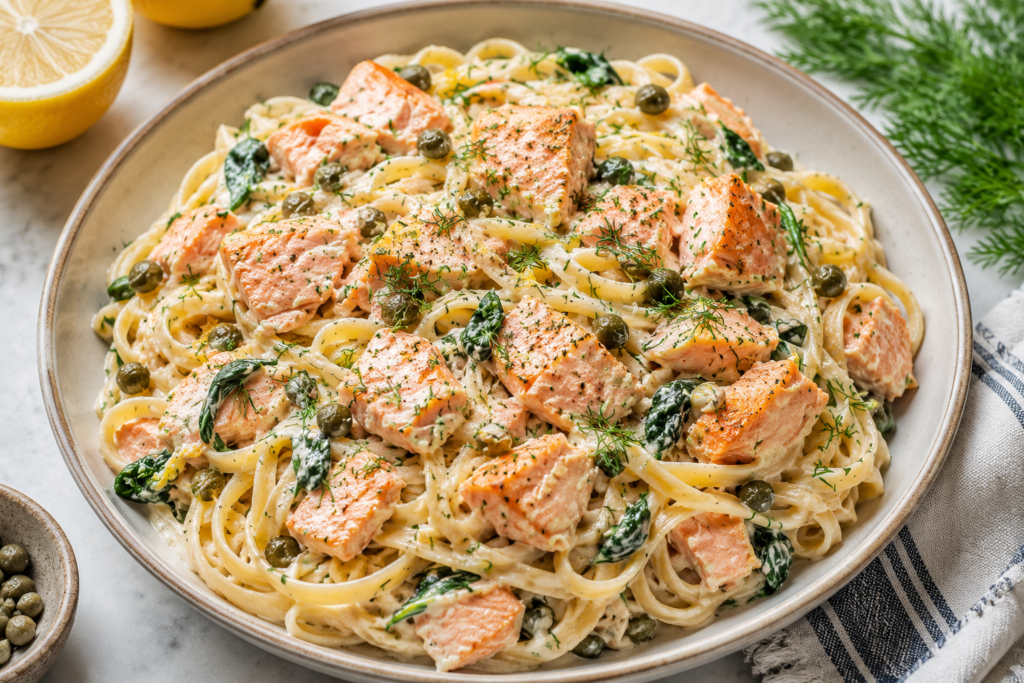
Adapting salmon pasta recipes to align with various dietary preferences or health goals does not require sacrificing flavor or satisfaction. These modifications maintain the essence of each dish while addressing specific nutritional concerns.
Lower Calorie and Fat Options:
Replace heavy cream with a mixture of low-fat milk and Greek yogurt, which cuts saturated fat by 60 percent while maintaining creamy texture. Use the yogurt off-heat to prevent curdling, stirring it in after removing the pan from the burner. Alternatively, create sauce using pureed white beans or cauliflower blended with pasta water and nutritional yeast, producing surprising creaminess with added fiber and plant-based nutrition. Reduce cheese quantities by half and compensate with extra fresh herbs and lemon zest for bright flavors.
Carbohydrate-Conscious Adaptations:
Substitute traditional pasta with spiralized zucchini noodles, spaghetti squash, or shirataki noodles for dramatic carbohydrate reduction. If you prefer keeping some pasta, use half regular noodles and half vegetable alternatives for balanced texture. Whole wheat or legume-based pastas increase protein and fiber while lowering glycemic impact compared to refined white pasta.
Dairy-Free Versions:
Coconut cream provides luxurious richness without dairy, though it imparts subtle sweetness that pairs particularly well with Thai-inspired seasonings like ginger and lime. Cashew cream made by blending soaked raw cashews with water until silky smooth offers neutral flavor and impressive creaminess. Nutritional yeast contributes cheesy umami notes in place of Parmesan.
Gluten-Free Solutions:
Modern gluten-free pasta options made from rice, corn, quinoa, or chickpeas have improved dramatically in texture and taste. Cook gluten-free varieties according to package directions as timing varies significantly between brands. Ensure all other ingredients like broth and seasonings carry gluten-free certification if preparing for celiac disease.
Vegetarian and Vegan Modifications:
While this seems counterintuitive for salmon-focused recipes, you can apply the same flavor profiles and techniques using marinated and seared firm tofu, hearts of palm torn into flakes resembling crab, or chickpeas as protein alternatives. Dulse or nori seaweed adds oceanic flavor reminiscent of fish.
Serving Suggestions
Presentation and accompaniments elevate salmon pasta from simple weeknight dinner to memorable dining experience worthy of special occasions.
Ideal Side Dishes:
Balance the richness of creamy salmon pasta with crisp, refreshing salads featuring arugula, radicchio, or butter lettuce dressed simply with lemon vinaigrette. Roasted or grilled vegetables like broccolini, green beans, or Brussels sprouts provide textural contrast and additional nutrients. Crusty artisan bread or garlic bread offers satisfying vehicles for soaking up excess sauce, though this adds carbohydrates to consider if monitoring intake.
Beverage Pairings:
Light to medium-bodied white wines complement salmon pasta beautifully without overwhelming delicate fish flavors. Consider Pinot Grigio, Sauvignon Blanc, or unoaked Chardonnay for creamy preparations. Lighter salmon pasta dishes with lemon and herbs pair wonderfully with Vermentino or Albariño. For non-alcoholic options, sparkling water with lemon or cucumber, iced green tea, or Italian sodas provide refreshing counterpoints.
Plating Techniques:
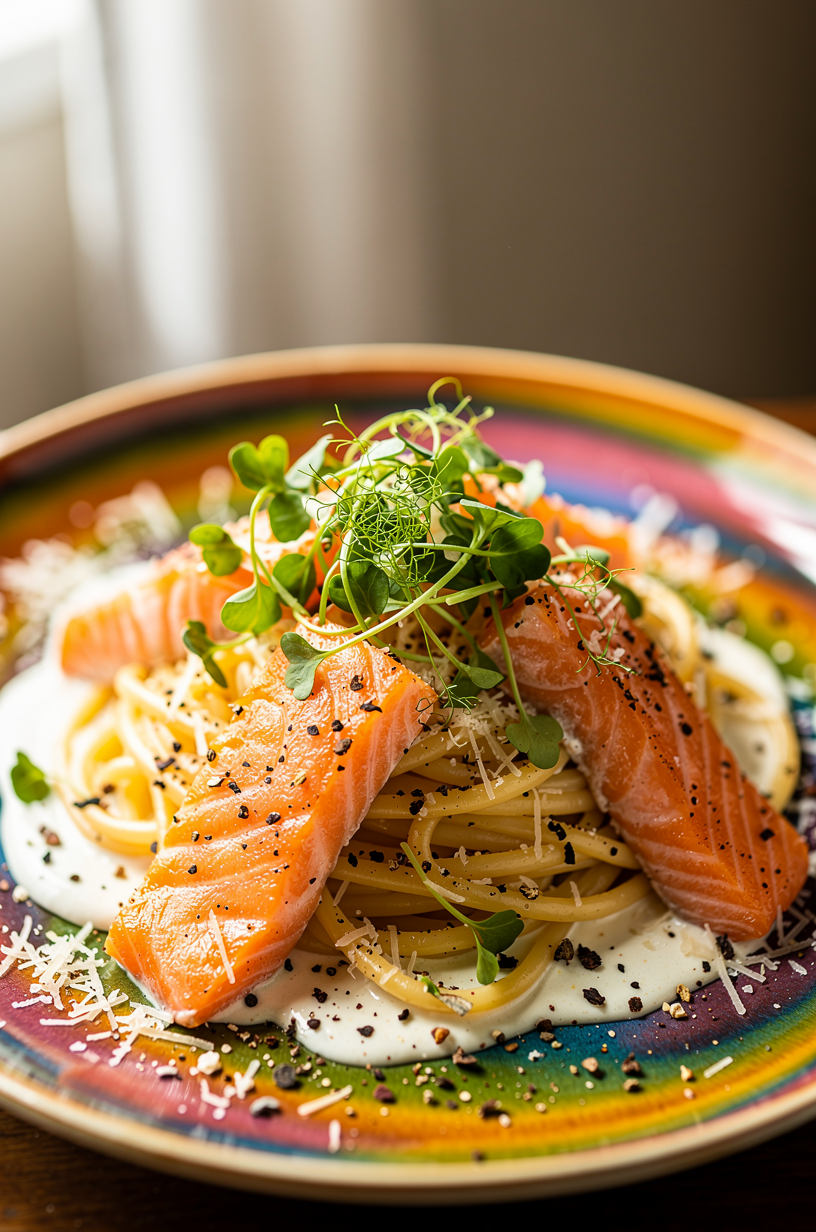
Use warmed shallow bowls or plates to keep pasta hot throughout the meal. Twirl long noodles into neat nests using tongs or a carving fork before transferring to plates for restaurant-quality presentation. Arrange salmon pieces prominently on top rather than buried beneath pasta. Finish with thoughtful garnishes like microgreens, edible flowers, or carefully placed lemon wheels that add visual interest.
Occasion Adaptations:
For casual family dinners, serve buffet-style allowing everyone to customize their portions and add preferred toppings. Romantic date nights call for individual plating with candlelight and minimal distractions. Dinner parties benefit from large family-style serving platters encouraging conversation and seconds. Pack leftovers in attractive containers for impressive work lunches that reheat surprisingly well.
Common Mistakes to Avoid
Even experienced home cooks encounter pitfalls when preparing salmon pasta dishes. Recognizing these common errors helps ensure consistently excellent results.
Overcooking the Salmon:
Salmon continues cooking from residual heat after removal from the pan or oven. Pull it from heat when the center still appears slightly translucent and registers 140 to 145 degrees Fahrenheit on an instant-read thermometer. Carryover cooking will bring it to perfect doneness. Overcooked salmon becomes dry, chalky, and unpleasant, the number one complaint in home preparations.
Using Insufficient Pasta Water:
Many cooks drain pasta completely without reserving any cooking liquid, then wonder why their sauce seems broken or clumpy. The starchy water acts as an emulsifier binding fat and water-based ingredients into cohesive sauce while adjusting consistency to coat pasta properly.
Adding Cream to High Heat:
Pouring cream into a pan over high heat often causes it to break or curdle, creating an unappealing grainy texture. Always reduce heat to medium or medium-low before adding dairy, and avoid boiling once cream is incorporated. Gentle simmering thickens sauce through reduction without separation.
Crowding the Pan:
Placing too many salmon fillets in the pan simultaneously lowers the cooking surface temperature, causing fish to steam rather than develop the flavorful golden crust that enhances both taste and visual appeal. Cook in batches if necessary, keeping finished pieces warm in a low oven.
Neglecting Seasoning Layers:
Seasoning only at the end produces flat, one-dimensional flavor. Instead, season salmon before cooking, add salt to pasta water, season the aromatic vegetables as they cook, and taste sauce before combining with pasta for final adjustments. This layered approach builds complex, well-rounded taste.
Choosing Wrong Pasta Shapes:
Pasta shape significantly impacts how sauce adheres and the overall eating experience. Creamy salmon sauces pair best with long flat noodles like fettuccine or linguine, while chunkier preparations with vegetables work better with short shapes like penne, rigatoni, or farfalle that capture ingredients in their crevices. Learn more about matching pasta shapes to sauces in this guide to pasta shapes and sauce pairings.
Storing Tips
Proper storage techniques maintain quality and food safety while maximizing the lifespan of your salmon pasta creations.
Refrigerator Storage:
Allow leftover salmon pasta to cool to room temperature within 2 hours of cooking to prevent bacterial growth. Transfer to airtight containers and refrigerate promptly. Properly stored, salmon pasta remains safe and palatable for 3 to 4 days. Keep in mind that cream-based sauces may thicken considerably when chilled as the fat solidifies. Add a splash of milk, cream, or broth when reheating to restore proper consistency.
Reheating Methods:
Microwave reheating works acceptably for quick meals. Place portions in microwave-safe dishes, add a tablespoon or two of liquid, cover loosely, and heat in 1-minute intervals stirring between each until steaming throughout. For better texture, reheat gently in a skillet over medium-low heat, adding liquid as needed and stirring frequently until warmed through. Avoid high heat which further cooks the salmon and may dry it out.
Freezer Storage:
While possible, freezing cream-based salmon pasta yields mixed results as dairy sauces often separate and pasta texture degrades somewhat upon thawing. If freezing is necessary, use freezer-safe containers or heavy-duty freezer bags, removing as much air as possible. Label with contents and date, and use within 1 to 2 months. Thaw overnight in the refrigerator rather than at room temperature, then reheat gently with additional liquid to reconstitute the sauce.
Meal Prep Strategies:
For advance preparation, cook components separately and combine just before serving. Prepare and refrigerate cooked salmon for up to 2 days. Cook pasta al dente, toss with a small amount of olive oil to prevent sticking, and store for 3 to 4 days. Prep sauce base and vegetables, storing separately. When ready to eat, warm sauce, add pasta and reserved pasta water to achieve desired consistency, then gently fold in salmon and vegetables. This method produces fresher-tasting results than reheating combined leftovers.
Food Safety Reminders:
Discard any salmon pasta left at room temperature for more than 2 hours, or 1 hour if ambient temperature exceeds 90 degrees Fahrenheit. When in doubt about freshness, trust your senses. Off odors, visible mold, or slimy texture indicate spoilage and the dish should be discarded immediately.
Conclusion
Salmon pasta recipes deliver unmatched versatility combining nutrition, flavor, and accessibility for cooks of all skill levels. These 16 variations prove that elegant dining fits comfortably into busy weeknight schedules while providing omega-3-rich meals your body craves. Try one tonight, share your results in the comments, and subscribe for more inspiring recipe ideas.
Frequently Asked Questions
What kind of salmon is best for pasta?
Wild-caught salmon varieties like Sockeye, Coho, or King salmon offer superior flavor, firmer texture, and higher omega-3 content compared to farmed Atlantic salmon. Sockeye provides deep red color and robust taste that stands up well to bold sauces, while Coho delivers milder flavor suitable for delicate preparations.
King salmon contains the highest fat content creating exceptionally moist results, though it costs more. Farmed Atlantic salmon remains a perfectly acceptable choice offering consistent availability, lower price point, and milder taste that appeals to those new to fish. For pasta specifically, choose center-cut fillets of even thickness to ensure uniform cooking. Skin-on or skinless works equally well, though removing skin before or after cooking simplifies incorporation into pasta.
Can I use smoked salmon in pasta recipes?
Absolutely, and smoked salmon creates incredibly quick pasta dishes requiring no actual salmon cooking. The smoking process fully cooks the fish while imparting distinctive flavor that pairs beautifully with cream, lemon, capers, and fresh herbs. Add smoked salmon at the very end of cooking, simply folding it into hot pasta where residual heat warms it through without further cooking that could make it tough.
Smoked salmon works particularly well in lighter preparations without heavy cream, allowing its delicate smoky notes to shine. Use it in place of fresh salmon in any recipe, adjusting cooking time by eliminating the searing step. Cold smoked salmon offers more delicate texture and flavor compared to hot smoked varieties which are flakier and more robustly flavored. Both work wonderfully depending on personal preference.
What are some healthy alternatives for creamy salmon pasta?
Numerous options create satisfying creaminess without heavy cream’s calories and saturated fat. Greek yogurt stirred in off-heat provides tangy richness with added protein, though avoid boiling which causes separation. Blended silken tofu creates neutral creamy base accepting any flavoring you add. Pureed white beans or cauliflower offer surprising body and mild flavor while dramatically increasing fiber and nutrient content.
Cashew cream made from soaked raw cashews blended with water until silky provides dairy-free luxury. For lighter preparations, skip cream entirely and rely on reserved starchy pasta water combined with quality olive oil and Parmesan to create naturally creamy coating. These alternatives typically reduce calories by 100 to 200 per serving while maintaining satisfying mouthfeel.
How do I prevent my salmon from drying out in pasta?
Several techniques ensure moist tender salmon in every bite. First, avoid overcooking by removing salmon from heat when it still appears slightly translucent in the center, about 140 to 145 degrees Fahrenheit internal temperature. Carryover cooking completes the process. Choose fattier salmon varieties or cuts from the thicker belly portion which contain more intramuscular fat acting as insurance against dryness.
Pat salmon completely dry before seasoning and searing, as surface moisture causes steaming rather than the flavorful crust that seals in juices. Cook salmon separately rather than simmering it in sauce which can overcook it. Add salmon to pasta at the last moment, using residual heat to warm rather than continue cooking. Finally, keep salmon pieces fairly large rather than shredding completely, as smaller pieces dry out faster.
What vegetables pair well with salmon pasta?
Salmon’s rich flavor complements numerous vegetables across the spectrum. Asparagus stands as a classic pairing, its earthy taste and crisp texture contrasting beautifully with creamy sauces. Spinach and other leafy greens wilt quickly into pasta adding color, nutrients, and mild flavor without overwhelming the fish. Cherry or grape tomatoes burst with sweet acidity that cuts richness while adding bright pops of color. Peas contribute gentle sweetness and appealing texture in spring-inspired preparations.
Zucchini and summer squash add bulk and nutrition with neutral flavor that absorbs surrounding tastes. Roasted bell peppers provide sweetness and slight char. Broccoli florets offer satisfying bite and cruciferous nutrition. For more adventurous combinations, try fennel for anise notes that complement fish beautifully, or artichoke hearts for Mediterranean flair. Generally, lighter vegetables work better than heavy starchy options like potatoes which compete with pasta rather than complement it.