The Best Fluffy Pancakes recipe you will fall in love with. Full of tips and tricks to help you make the best pancakes.

18 Grilled Salmon Recipes for Fresh Flavor
Did you know that salmon is one of the most consumed fish in the United States, yet more than half of home cooks hesitate to grill it because they fear it will stick or fall apart? If you have been intimidated by the prospect of cooking this nutritious fish outdoors, you are not alone. But here is the truth: mastering grilled salmon recipes is far easier than you think, and the results are absolutely worth the effort. Grilling salmon unlocks teriyaki glazed salmon deep, smoky flavors that simply cannot be replicated in the oven or on the stovetop.
Beyond the classic lemon-dill preparation that everyone knows, there exists a world of vibrant marinades and global flavor profiles waiting to transform your summer cookouts. From Asian-inspired glazes to Mediterranean herb rubs and Latin American citrus blends, these 18 grilled salmon recipes will elevate your outdoor cooking game while addressing every challenge from sticking to doneness. Whether you are hosting a backyard barbecue or preparing a quick weeknight dinner, these recipes bring restaurant-quality results to your own grill.
Table of Contents
Ingredients
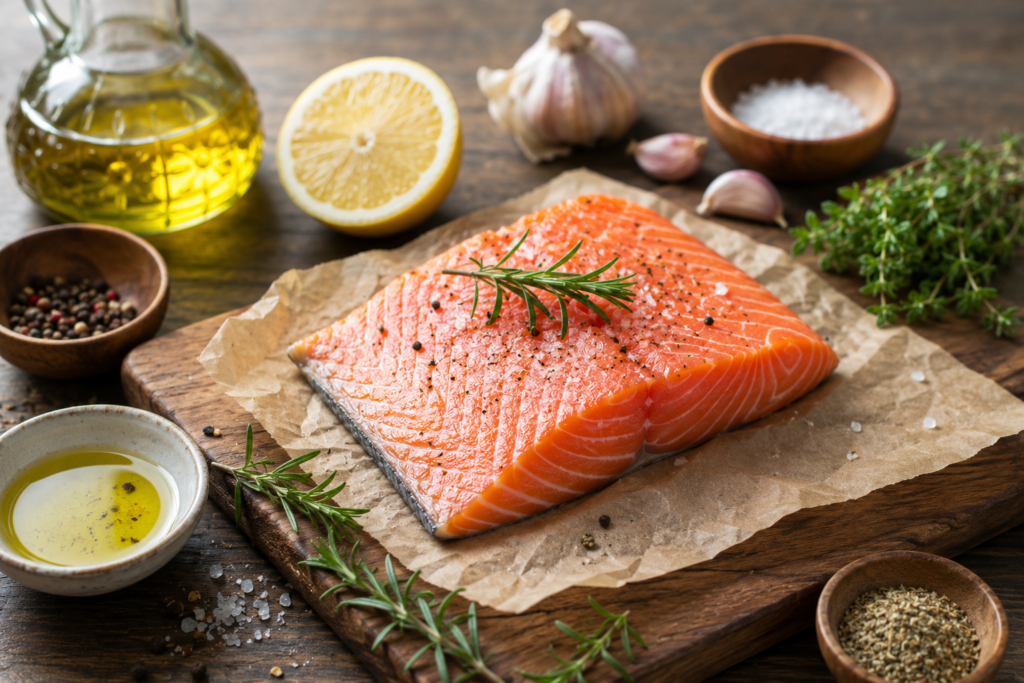
The beauty of grilled salmon lies in its versatility. Here are the core ingredients you will need across these 18 recipes, organized by flavor profile:
Base Ingredients:
- Fresh salmon fillets or steaks, skin-on or skinless, 6 ounces per serving
- Extra virgin olive oil or avocado oil for brushing
- Sea salt and freshly cracked black pepper
- Fresh lemon wedges for serving
Asian-Inspired Profiles:
- Soy sauce or tamari with its deep umami richness
- Fresh ginger root, grated to release its sharp, warming bite
- Toasted sesame oil with its nutty aroma
- Rice vinegar for bright acidity
- Honey or maple syrup for balanced sweetness
- Sriracha or chili garlic sauce for heat
- Miso paste for fermented depth
Mediterranean Varieties:
- Extra virgin olive oil, fruity and peppery
- Fresh herbs like rosemary, thyme, oregano, and dill
- Garlic cloves, minced to release their pungent oils
- Sun-dried tomatoes packed in oil
- Kalamata olives, briny and rich
- Capers for salty bursts
- Feta cheese crumbles
Latin American Styles:
- Fresh lime and orange juice, bright and zesty
- Cilantro with its distinctive soapy-citrus notes
- Jalapeños or chipotle peppers for smoky heat
- Ground cumin for earthy warmth
- Paprika and chili powder
- Fresh mango or pineapple for tropical sweetness
North American Classics:
- Pure maple syrup, amber and woodsy
- Dijon mustard for tangy sharpness
- Brown sugar for caramelization
- Apple cider vinegar
- Bourbon or whiskey for depth
- Fresh dill and parsley
Substitutions: You can substitute olive oil with coconut oil, butter, or ghee. Swap honey with agave nectar or brown sugar. Use coconut aminos instead of soy sauce for a soy-free option. Replace fresh herbs with dried at a 1:3 ratio.
Timing
Grilling salmon is remarkably quick compared to other proteins. Here is what to expect:
Preparation Time: 10-15 minutes for simple marinades, up to 30 minutes for more complex flavor profiles with multiple components
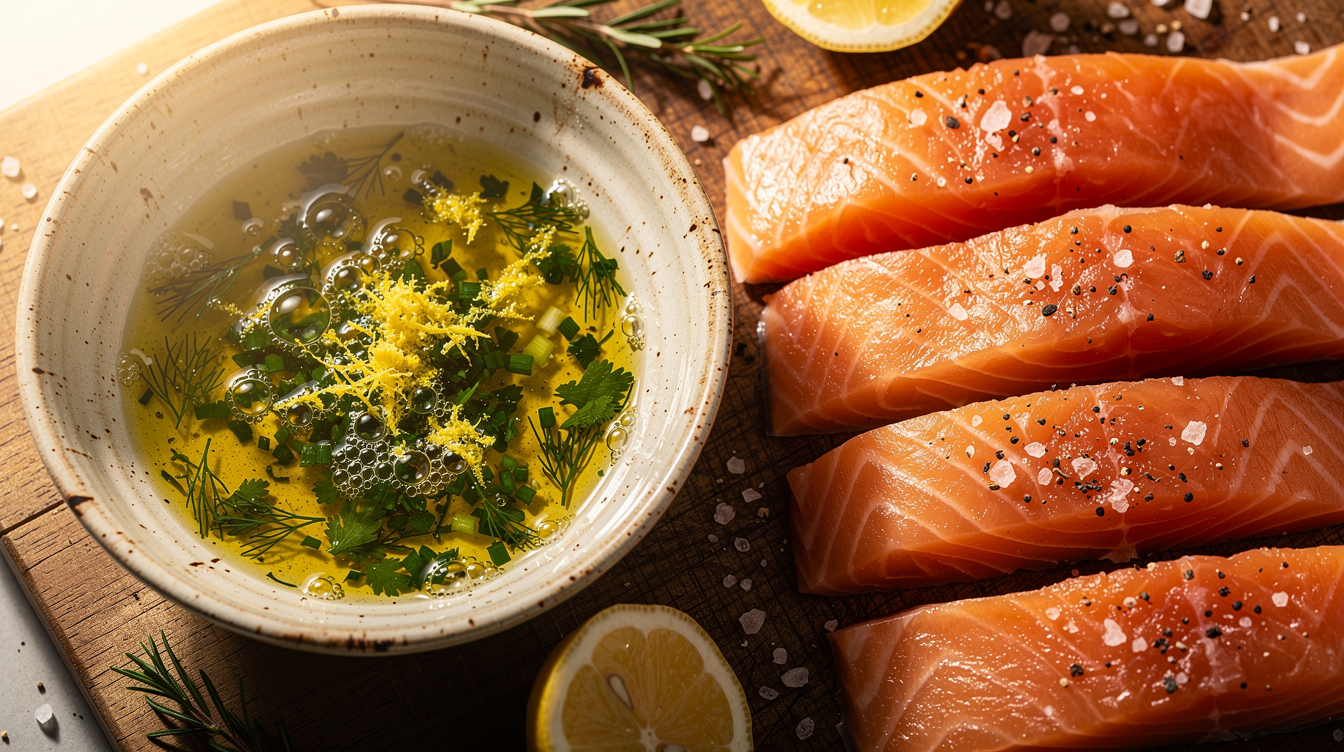
Marinating Time: 15 minutes to 2 hours depending on the recipe. Note that acidic marinades should not exceed 2 hours or they will begin to break down the delicate fish proteins
Cooking Time: 6-10 minutes total for fillets that are 1 to 1.5 inches thick, with most recipes requiring no flipping
Total Time: 30 minutes to 2.5 hours from start to finish
For context, grilling salmon takes about the same time as cooking chicken breasts but delivers a more delicate, flaky texture. The short cooking time makes it perfect for busy weeknights when you want something impressive without spending hours in the kitchen.
Step-by-Step Instructions
Step 1: Select and Prepare Your Salmon
Choose fresh, high-quality salmon with firm flesh and a mild ocean scent. According to the FDA guidelines on seafood safety at https://www.fda.gov/food/consumers/selecting-and-serving-fresh-and-frozen-seafood-safety-tips, fresh fish should never smell overly fishy. Look for bright color and moist appearance. Pat the salmon completely dry with paper towels, as excess moisture prevents proper searing and caramelization. If your fillets have pin bones, remove them with clean tweezers by pulling gently at a 45-degree angle. Leave the skin on if you want extra protection against sticking and easier flipping.
Step 2: Create Your Marinade or Rub
Select from these 18 flavor profiles, whisking ingredients together in a bowl:
1. Classic Teriyaki: soy sauce, ginger, garlic, honey, sesame oil 2. Maple Bourbon Glaze: maple syrup, bourbon, Dijon mustard, garlic 3. Mediterranean Herb: olive oil, lemon, oregano, thyme, garlic 4. Spicy Mango Habanero: pureed mango, habanero, lime, cilantro 5. Miso Ginger: white miso, ginger, rice vinegar, honey 6. Chimichurri Style: parsley, cilantro, garlic, red wine vinegar, olive oil 7. Thai Sweet Chili: sweet chili sauce, lime juice, fish sauce, garlic 8. Blackened Cajun: paprika, cayenne, garlic powder, thyme, oregano 9. Lemon Dill with Capers: lemon juice, fresh dill, capers, olive oil 10.
Honey Sriracha: honey, sriracha, lime, garlic, ginger 11. Pineapple Coconut: pineapple juice, coconut milk, lime, cilantro 12. Balsamic Rosemary: balsamic vinegar, fresh rosemary, garlic, olive oil 13. Korean Gochujang: gochujang paste, sesame oil, garlic, honey 14. Orange Ginger Soy: orange juice, soy sauce, ginger, five-spice 15. Herb Butter: softened butter, parsley, chives, garlic, lemon zest 16. Za’atar Yogurt: Greek yogurt, za’atar spice, lemon, olive oil 17. Peach Bourbon BBQ: peach preserves, bourbon, BBQ sauce, apple cider vinegar 18. Cilantro Lime: cilantro, lime juice, cumin, garlic, jalapeño
Step 3: Marinate the Salmon
Place salmon in a shallow dish or resealable plastic bag. Pour marinade over the fish, ensuring even coverage. Refrigerate for 15 minutes to 2 hours. Oil-based marinades can go longer, but acidic marinades with citrus or vinegar should be limited to prevent the fish from becoming mushy. Remove salmon from the refrigerator 10 minutes before grilling to take the chill off, which promotes even cooking.
Step 4: Prepare Your Grill
This step is crucial for preventing sticking. Preheat your gas grill to medium-high heat, around 375-400 degrees Fahrenheit, or prepare your charcoal grill with coals pushed to one side for indirect heat options. Clean the grates thoroughly with a wire brush while they are hot. Once clean, dip a folded paper towel in vegetable oil, grip it with long tongs, and oil the grates generously. Repeat this process two to three times to build up a non-stick layer. This simple technique dramatically reduces sticking problems.
Step 5: Set Up for Direct or Indirect Grilling
For most salmon recipes, direct grilling works perfectly. Place the salmon directly over the heat source. For thicker cuts or recipes with sugary glazes that might burn, use indirect heat by positioning the salmon away from the hottest part of the grill. Consider using aluminum foil as a foolproof method: create a foil packet by placing salmon on a large sheet of heavy-duty foil, folding up the edges, and crimping to seal. This method steams the fish in its marinade, prevents sticking entirely, and makes cleanup effortless.
Step 6: Grill the Salmon
Place salmon skin-side down on the preheated, oiled grates. Close the lid immediately to trap heat and create an oven-like environment. For a 1-inch thick fillet, grill for 6-8 minutes without flipping. The salmon will naturally release from the grates when it is ready. If you prefer grill marks on both sides, carefully flip after 4-5 minutes using two spatulas for support. Apply any reserved glaze during the final 2 minutes of cooking. Watch carefully as sugary glazes can burn quickly.
Step 7: Check for Doneness
Salmon is done when it reaches an internal temperature of 145 degrees Fahrenheit at the thickest part, measured with an instant-read thermometer. Visually, the flesh should be opaque and flake easily with a fork. The center can remain slightly translucent if you prefer medium doneness, which many chefs recommend for optimal moisture and texture. Overcooked salmon becomes dry and chalky, so err on the side of slightly underdone. Remember that carryover cooking will continue for a minute or two after removing from the grill.
Step 8: Rest and Serve
Transfer the grilled salmon to a clean platter and let it rest for 2-3 minutes. This brief resting period allows the juices to redistribute throughout the fish. Garnish with fresh herbs, additional citrus wedges, or a drizzle of finishing oil. Serve immediately while the salmon is hot and the exterior still has that beautiful char.
Nutritional Information
Salmon is a nutritional powerhouse, making these grilled salmon recipes both delicious and healthful. According to research from the USDA at https://www.ars.usda.gov/news-events/news/release/2021/seafood-can-be-part-of-a-healthy-eating-pattern/, seafood consumption contributes to a balanced diet rich in essential nutrients.
Per 6-ounce serving of grilled salmon (plain, before marinade):
- Calories: 280-350 depending on salmon variety
- Protein: 34-40 grams
- Total Fat: 14-20 grams
- Saturated Fat: 3-4 grams
- Omega-3 Fatty Acids: 2,000-2,500 milligrams
- Cholesterol: 95-110 milligrams
- Sodium: 75-90 milligrams (increases with marinades)
- Vitamin D: 570-680 IU (140-170% daily value)
- Vitamin B12: 4.5-5.5 micrograms (190-230% daily value)
- Selenium: 60-70 micrograms (110-130% daily value)
- Potassium: 600-700 milligrams
Marinade Additions: Marinades add 20-150 calories depending on sugar and oil content. Teriyaki and honey-based glazes add 80-120 calories, while herb and citrus marinades add only 20-40 calories.
Health Benefits: Salmon provides exceptional omega-3 fatty acids that support heart health, reduce inflammation, and promote brain function. The high-quality protein supports muscle maintenance and satiety. B vitamins aid energy metabolism, while selenium acts as a powerful antioxidant.
Healthier Alternatives
You can adapt these grilled salmon recipes to fit various dietary needs without sacrificing flavor:
Lower Sodium: Replace regular soy sauce with low-sodium versions or coconut aminos. Use fresh herbs and citrus to build flavor instead of salt. Choose homemade marinades over store-bought options that often contain excessive sodium.
Lower Sugar: Substitute honey and maple syrup with sugar-free alternatives like monk fruit sweetener or stevia. Focus on savory profiles using herbs, spices, and umami-rich ingredients like miso or mushroom powder.
Dairy-Free: Most recipes are naturally dairy-free. For butter-based preparations, substitute with olive oil, avocado oil, or vegan butter alternatives that grill beautifully.
Gluten-Free: Use tamari or coconut aminos instead of regular soy sauce. Verify that all condiments and sauces are certified gluten-free, as some Asian sauces contain wheat.
Keto-Friendly: Focus on oil-based marinades with herbs and skip the honey, sugar, and fruit-based glazes. The high protein and fat content in salmon makes it naturally keto-compliant.
Pescatarian and Flexitarian: Salmon serves as an excellent protein centerpiece for those reducing meat consumption while maintaining seafood in their diet.
Budget-Conscious: Choose frozen salmon fillets, which are often flash-frozen at peak freshness and cost significantly less. Wild-caught varieties go on sale regularly. You can also use salmon portions or steaks instead of premium center-cut fillets.
Serving Suggestions
Grilled salmon’s versatility shines through diverse serving options that complement its rich, flaky texture:
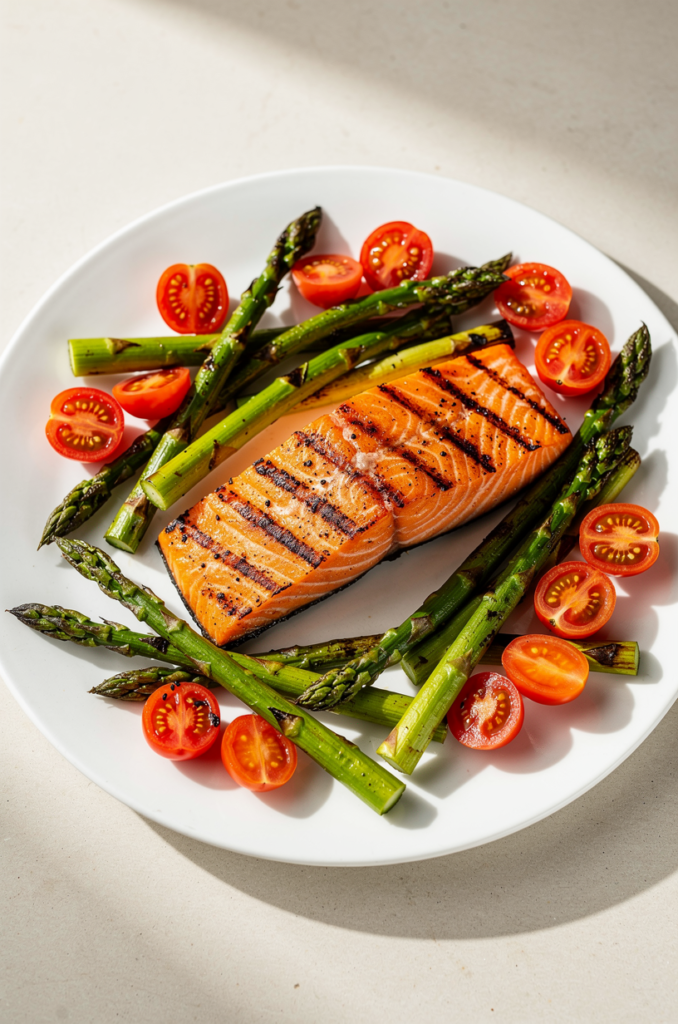
Classic Pairings: Serve alongside grilled vegetables like asparagus, zucchini, and bell peppers that cook simultaneously. Add roasted baby potatoes tossed in herbs or a light quinoa salad with cucumber and tomatoes. Steamed rice pilaf or couscous absorbs the flavorful juices beautifully.
Fresh Summer Sides: Pair with corn on the cob, watermelon feta salad, or a crisp garden salad with vinaigrette. Cold pasta salads with fresh vegetables provide contrasting temperatures and textures. Grilled peach or pineapple slices add unexpected sweetness that complements savory marinades.
International Presentations: For Asian-inspired recipes, serve over coconut rice with bok choy and edamame. Mediterranean versions pair beautifully with Greek salad, tzatziki, and warm pita bread. Latin American preparations shine with black beans, cilantro-lime rice, and fresh salsa.
Bowl Creations: Build grain bowls with farro, brown rice, or cauliflower rice as the base. Top with grilled salmon, roasted vegetables, avocado slices, and drizzle with tahini or sriracha mayo. easy salmon dish These bowls make excellent meal prep options.
Light and Fresh: Flake grilled salmon over mixed greens for a protein-packed salad. Stuff into tacos with cabbage slaw and chipotle crema. Use as a topping for flatbreads with arugula and balsamic glaze.
Elegant Entertaining: Serve on cedar planks for dramatic presentation. Garnish with microgreens, edible flowers, or compound butter medallions. Pair with crisp white wines like Sauvignon Blanc or Pinot Grigio.
Common Mistakes to Avoid
Even experienced grillers encounter challenges with salmon. Here are the most common pitfalls and how to prevent them:
Starting with a Dirty or Cold Grill: This is the primary cause of sticking. Always preheat thoroughly and clean the grates before oiling them. A properly heated grill creates immediate searing that naturally releases the fish.
Over-Marinating: Acidic marinades break down protein structure when left too long, resulting in mushy texture. Limit citrus and vinegar-based marinades to 2 hours maximum. Oil-based marinades can go longer safely.
Flipping Too Soon: Salmon needs time to develop a crust that releases naturally from the grates. Attempting to flip before this happens tears the fish. Wait until you can slide a spatula underneath easily without resistance.
Overcooking: Dry, chalky salmon is the result of cooking past 145 degrees Fahrenheit. Studies show that home cooks overcook fish more than any other protein. Remove salmon when slightly underdone in the center, as it continues cooking off the heat.
Not Drying the Surface: Moisture is the enemy of a good sear. Always pat salmon completely dry before applying marinade or placing on the grill.
Using the Wrong Spatula: Flimsy spatulas break salmon apart. Invest in a wide, sturdy fish spatula with a thin, flexible edge that slides under delicate fish easily.
Ignoring Thickness Variations: Salmon fillets taper from thick to thin. The thin tail section cooks faster and can burn while the thick center reaches proper doneness. Fold thin ends under or remove them and grill separately for less time.
Skipping the Oil: Even with a clean grill, oil acts as insurance against sticking. Brush both the grates and the salmon itself with oil.
Storing Tips
Proper storage extends the life of your grilled salmon and maintains food safety:
Refrigeration: Store leftover grilled salmon in an airtight container in the refrigerator within 2 hours of cooking. Properly stored, it remains safe and delicious for 3-4 days. Place parchment paper between pieces to prevent sticking.
Freezing: Grilled salmon freezes well for up to 3 months. Cool completely, then wrap individual portions tightly in plastic wrap followed by aluminum foil, or use freezer-safe containers. Label with the date and marinade type for easy identification.
Reheating: Reheat gently to avoid drying out. The oven method works best: place salmon in a baking dish with a tablespoon of water or broth, cover with foil, and warm at 275 degrees Fahrenheit for 15 minutes. Microwave on 50 percent power in 30-second intervals. Cold leftover salmon is excellent flaked into salads or grain bowls.
Meal Prep: Marinate salmon in advance by placing raw fillets and marinade in freezer bags. Freeze flat, then thaw overnight in the refrigerator before grilling. This method saves time and allows flavors to penetrate deeply as the fish thaws.
Food Safety: Never leave grilled salmon at room temperature for more than 2 hours, or 1 hour if outdoor temperatures exceed 90 degrees Fahrenheit. When transporting to picnics or potlucks, keep on ice in a cooler.
Using Leftovers: Flake cold grilled salmon into pasta, fried rice, omelets, or sandwich fillings. Mix with Greek yogurt, dill, and lemon juice for a quick salmon salad. Top pizza or flatbreads with leftover salmon for an elegant meal.
Conclusion
Mastering grilled salmon recipes opens up endless possibilities for flavorful, healthy outdoor cooking throughout the summer and beyond. From Asian-inspired glazes to Mediterranean herbs and bold Latin flavors, these 18 variations ensure you will never tire of this nutritious fish. Try one of these recipes at your next cookout, experiment with your favorite marinades, and share your results in the comments below. Subscribe for more grilling inspiration and seafood recipes delivered to your inbox.
Frequently Asked Questions
What is the best temperature to grill salmon?
The optimal grilling temperature for salmon is 375-400 degrees Fahrenheit for direct heat cooking. This medium-high heat creates a beautiful sear on the exterior while cooking the interior gently. For thicker cuts or foil packet methods, you can use slightly lower temperatures around 350 degrees Fahrenheit. The internal temperature of the salmon should reach 145 degrees Fahrenheit at the thickest part for safe consumption, though many prefer 135-140 degrees for a slightly translucent center.
Use an instant-read thermometer for accuracy, inserting it horizontally into the thickest part of the fillet. Gas grills offer precise temperature control, while charcoal grills require judging heat by holding your hand 6 inches above the grates. If you can only hold it there for 3-4 seconds, the temperature is right for salmon.
How do I prevent salmon from sticking to the grill?
Preventing sticking requires multiple strategies working together. First, preheat your grill thoroughly for at least 15 minutes to create a non-stick surface through heat. Clean the grates aggressively with a wire brush while hot to remove any residue. Next, oil the grates generously by dipping a paper towel in vegetable oil and rubbing it across the hot grates using tongs. Repeat this process 2-3 times.
Pat your salmon completely dry before grilling, as moisture prevents searing and promotes sticking. Brush the salmon itself with oil before placing it on the grill. Place the salmon at a 45-degree angle to the grates and resist the urge to move it. The fish will naturally release when it is ready, typically after 4-5 minutes. Using aluminum foil eliminates sticking entirely and is perfect for delicate fillets or when cooking for a crowd. Create a foil packet or place salmon on oiled foil directly on the grill grates.
Should I grill salmon with the skin on or off?
Grilling salmon with the skin on offers several advantages and is generally recommended, especially for beginners. The skin acts as a protective barrier between the delicate flesh and the hot grates, significantly reducing sticking and preventing the fish from falling apart. It also provides structural support when flipping, though many grillers never flip skin-on salmon at all. The skin crisps up beautifully when properly grilled, offering textural contrast, though you can easily remove it after cooking if you prefer not to eat it.
Additionally, the skin helps retain moisture and prevents overcooking. Skinless salmon works perfectly well but requires more careful handling, thorough grate oiling, and a gentler touch when flipping. If using skinless fillets, consider the foil packet method or grilling on a cedar plank for added insurance. Some recipes benefit from skinless salmon when the marinade needs to penetrate all surfaces or when you are creating salmon kebabs. Ultimately, both methods work, but skin-on is more forgiving.
How long should I marinate salmon before grilling?
Marinating time depends entirely on the marinade composition. Acidic marinades containing citrus juice, vinegar, wine, or yogurt should be limited to 15 minutes to 2 hours maximum. The acid begins to break down the protein structure, and extended marinating beyond 2 hours results in mushy, unpleasant texture. Oil-based marinades with herbs, spices, and garlic can safely marinate for 2-4 hours or even overnight without damaging the texture.
These longer marinating times allow flavors to penetrate more deeply. For quick weeknight meals, even 15-30 minutes provides significant flavor, especially with assertive ingredients like ginger, garlic, and soy sauce. Very delicate marinades or dry rubs can be applied immediately before grilling. Always marinate salmon in the refrigerator, never at room temperature, to prevent bacterial growth. Remove the salmon 10 minutes before grilling to take off the chill. If your marinade contains sugar or honey, watch carefully during grilling as it can burn quickly, and consider reserving some marinade to brush on during the final minutes of cooking.
How can I tell if grilled salmon is cooked through?
Several reliable methods help you determine salmon doneness. The most accurate is using an instant-read thermometer inserted horizontally into the thickest part of the fillet. Salmon is safely cooked at 145 degrees Fahrenheit according to USDA guidelines, though many chefs prefer 135-140 degrees for optimal moisture and texture. Visually, properly cooked salmon turns from translucent to opaque throughout, with a slightly lighter pink color. The flesh should flake easily when gently pressed with a fork, separating into distinct layers rather than feeling mushy or resistant.
A slight translucent center is perfectly acceptable if you prefer medium doneness. The albumin, a white protein, may appear on the surface during cooking. While harmless, excessive albumin indicates the salmon is approaching overcook territory or was cooked at too high a temperature. Timing provides a general guideline: for 1-inch thick fillets, expect 6-8 minutes of total cooking time over medium-high heat. Remember that salmon continues cooking from residual heat after removal from the grill, so err slightly on the side of underdone.